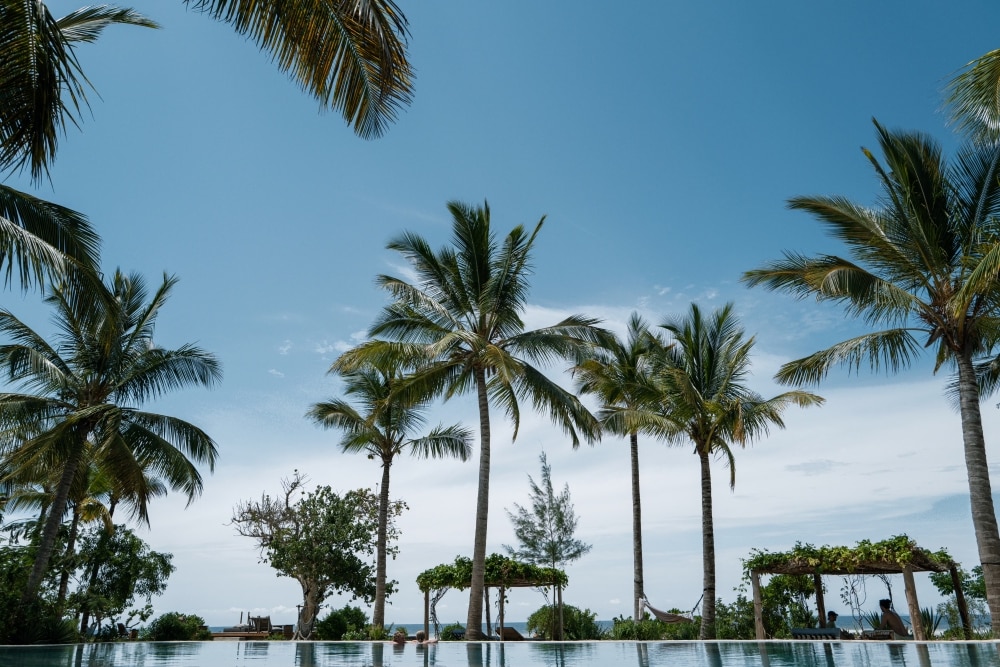


Find hotels in Tegalrejo from NT$250
 Change your mindBook hotels with free cancellation
 Be pickySearch almost a million properties worldwide
Go beyond your typical stay in Tegalrejo
Pet friendly
Apartment
Villa
Condo
Family friendly
Waterpark
Resort
Check prices for these dates
Tonight
Oct 13 - Oct 14Tomorrow
Oct 14 - Oct 15This weekend
Oct 16 - Oct 18Next weekend
Oct 23 - Oct 25Our top choices for Tegalrejo hotels


1. Hotel Tentrem Yogyakarta
Hotel Tentrem YogyakartaYogyakarta

Sai Ling
NT$3,555
NT$4,302 total
includes taxes & fees
Oct 18 - Oct 19

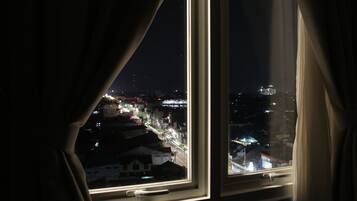


2. Uniq Hotel Yogyakarta
Uniq Hotel YogyakartaCentral Yogyakarta

Cem
NT$574
NT$695 total
includes taxes & fees
Oct 14 - Oct 15



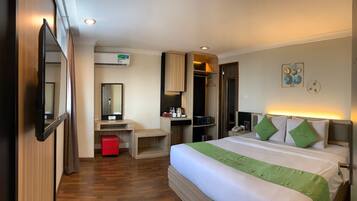
3. Top Malioboro Hotel
Top Malioboro HotelCentral Yogyakarta

Nishan
NT$639
NT$773 total
includes taxes & fees
Oct 18 - Oct 19
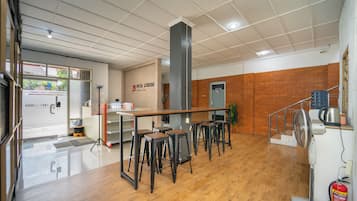

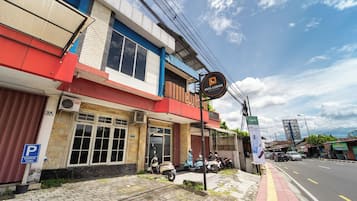
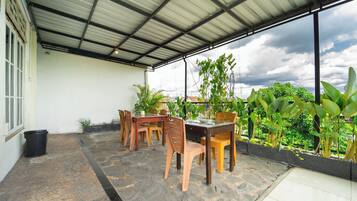
4. Peta Lodge Backpacker Hostel
Peta Lodge Backpacker HostelCentral Yogyakarta
NT$250
NT$303 total
includes taxes & fees
Oct 14 - Oct 15
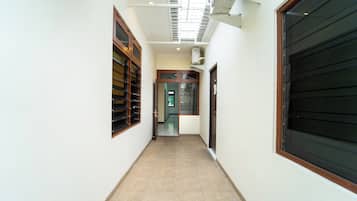
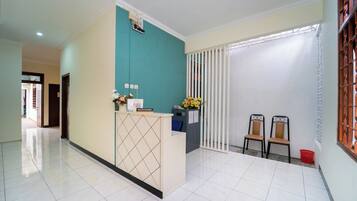

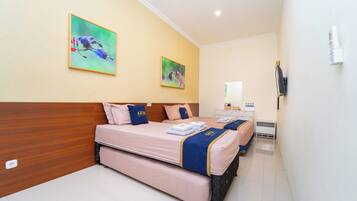
5. House Of Cokro By ARBA
House Of Cokro By ARBACentral Yogyakarta
NT$262
NT$317 total
includes taxes & fees
Oct 14 - Oct 15


6. The Utara Hotel Tugu by Eresha Hospitality
The Utara Hotel Tugu by Eresha HospitalityCentral Yogyakarta
NT$608
NT$675 total
includes taxes & fees
Oct 26 - Oct 27
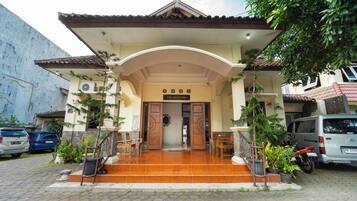
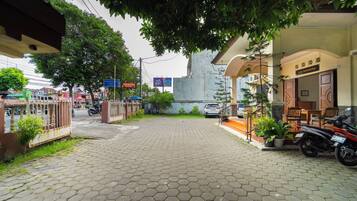
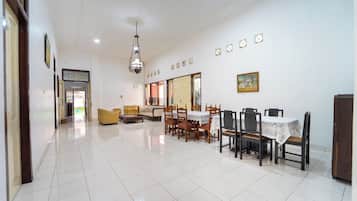
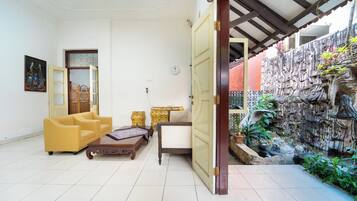
7. Griya Sastrowardoyo by ARBA
Griya Sastrowardoyo by ARBAYogyakarta
NT$517
NT$626 total
includes taxes & fees
Oct 14 - Oct 15


8. OYO 95050 Penginapan Sekarsari Syariah
OYO 95050 Penginapan Sekarsari SyariahYogyakarta
NT$317
NT$384 total
includes taxes & fees
Oct 14 - Oct 15


9. Allure Villa Yogyakarta
Allure Villa YogyakartaYogyakarta
NT$1,792
NT$2,168 total
includes taxes & fees
Oct 14 - Oct 15
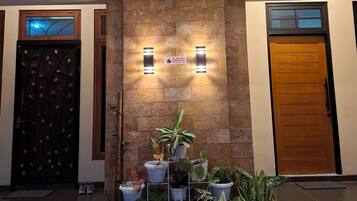
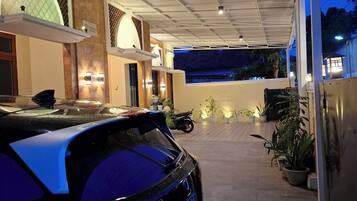
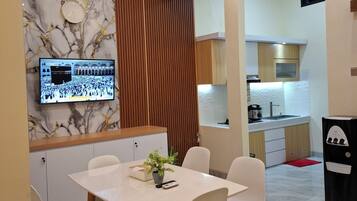

10. Tentrem Madani
Tentrem MadaniYogyakarta
NT$2,651
NT$3,208 total
includes taxes & fees
Oct 25 - Oct 26
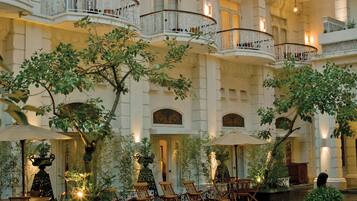



11. The Phoenix Hotel Yogyakarta - Handwritten Collection
The Phoenix Hotel Yogyakarta - Handwritten CollectionCentral Yogyakarta

Saskia
NT$1,959
NT$2,370 total
includes taxes & fees
Oct 20 - Oct 21

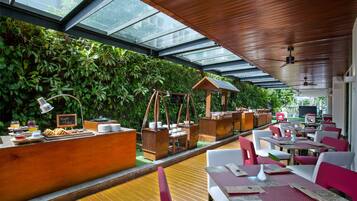


12. Swiss-Belboutique Yogyakarta
Swiss-Belboutique YogyakartaYogyakarta
Alkamal
NT$1,289
NT$1,573 total
includes taxes & fees
Oct 26 - Oct 27

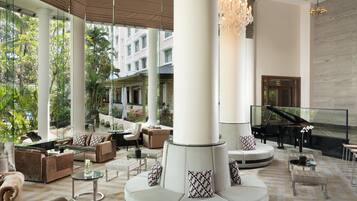
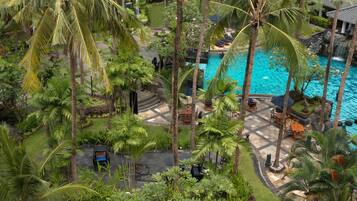
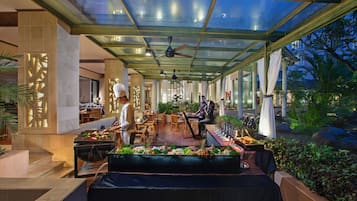
13. Melia Purosani Yogyakarta
Melia Purosani YogyakartaMalioboro
Mike
NT$1,990
NT$2,408 total
includes taxes & fees
Nov 2 - Nov 3




14. Novotel Suites Yogyakarta Malioboro
Novotel Suites Yogyakarta MalioboroMalioboro
EDWARD
NT$1,865
NT$2,257 total
includes taxes & fees
Oct 21 - Oct 22



15. The Jogja Hotel & Conference Center - Malioboro
The Jogja Hotel & Conference Center - MalioboroCentral Yogyakarta
SUSILO
NT$1,153
NT$1,395 total
includes taxes & fees
Oct 14 - Oct 15

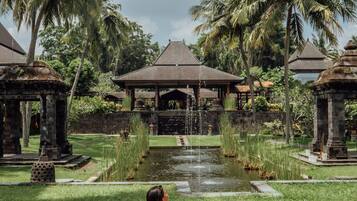
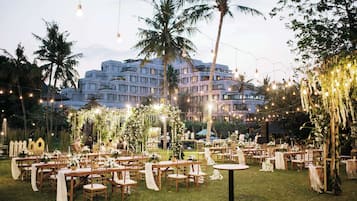

16. Hyatt Regency Yogyakarta
Hyatt Regency YogyakartaMlati
Robert
NT$1,961
NT$2,373 total
includes taxes & fees
Nov 3 - Nov 4




17. Yogyakarta Marriott Hotel
Yogyakarta Marriott HotelDepok
Seetha
NT$3,120
NT$3,776 total
includes taxes & fees
Nov 2 - Nov 3

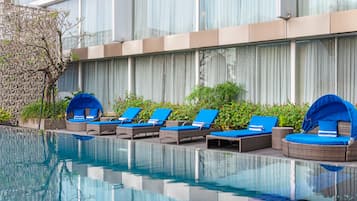
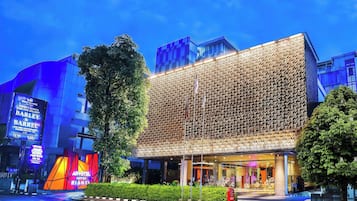

18. ARTOTEL Suites Bianti Yogyakarta
ARTOTEL Suites Bianti YogyakartaYogyakarta

Gavin
NT$1,627
NT$1,968 total
includes taxes & fees
Nov 8 - Nov 9
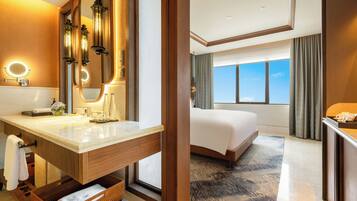

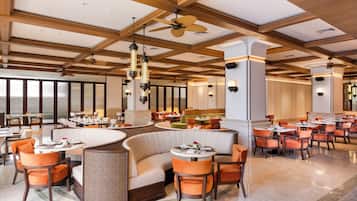

19. Grand Hotel De Djokja
Grand Hotel De DjokjaMalioboro

peter
NT$2,671
NT$3,232 total
includes taxes & fees
Nov 8 - Nov 9


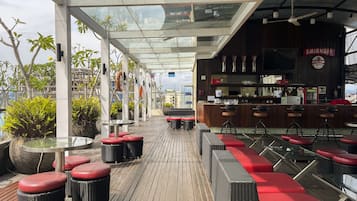

20. ibis Styles Yogyakarta
ibis Styles YogyakartaMalioboro

Patrick
NT$875
NT$1,059 total
includes taxes & fees
Nov 3 - Nov 4

Stay near popular Tegalrejo attractions
Museum Sasana Wiratama
You can browse the exhibits at Museum Sasana Wiratama, a museum with a story of its own, during your trip to Tegalrejo. While in this culturally rich area, find time to visit its shops.
Learn more about Tegalrejo
Explore romantic Tegalrejo: its spas, culture, bars, and more!
See all hotels in Tegalrejo
Photo by Sharrie Shaw
Top Tegalrejo Hotel Reviews

The Phoenix Hotel Yogyakarta - Handwritten Collection
10/10 Excellent
"Gorgeous hotel. The bedrooms itself was less special, but the communal areas were outstanding - so historic and beautiful. I also loved sitting outside by the fountain for breakfast and dinner. The pool area was also lovely, and never crowded. I used the spa services a couple of times, and had some lovely treatments. Breakfast has plenty of options, and there was relaxing live music while you were eating. I ate there every evening. The local food was very good, but don't bother ordering anything with chips - they are terrible! Staff were helpful and spoke good English. Made me a pack up breakfast when I was getting up early to see the sunrise at Borobodur temple. Location is close to the train station and Malioboro Street (more impressive in the evening than during the day). ATMs and grocery stores are just a few minutes walk. I had a lovely stay and would definitely recommend this hotel to others."
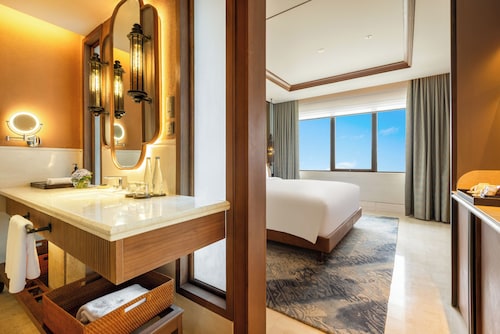
Grand Hotel De Djokja
10/10 Excellent
"Beautiful hotel, looks like new. Everything is spotless. Staff are lovely and so attentive. Would recommend."
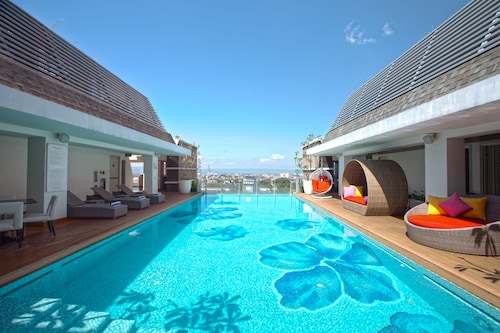
Swiss-Belboutique Yogyakarta
10/10 Excellent
"Stayed 5 days . The location was excellent. The room was as described - compact but well contained - the full size refrigerator was a surprise The Japanese breakfast was excellent and the staff were helpful Only minor suggestion is that breakfast sides did not change much - which for 5 days gets a tad bit tedious."

Novotel Suites Yogyakarta Malioboro
10/10 Excellent
"We loved the location of the hotel. It was close to shopping and lots of restaurants were in the vicinity. Superb selection of items at breakfast. We especially liked the local items on the buffet. The room was clean and the staff responded to our concerns immediately. There was also no language barrier. Would stay there again."
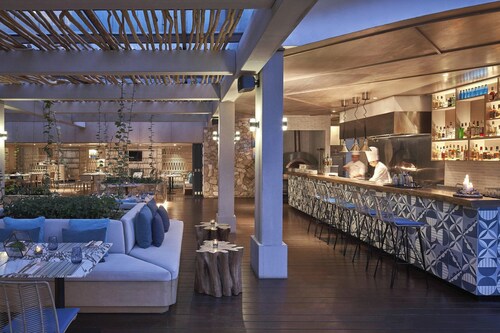
Yogyakarta Marriott Hotel
10/10 Excellent
"Beautiful, grand, luxury property Very spacious rooms, Awesome breakfast menu very courteous staff. Frans was friendly and helpful"

PORTA by Ambarrukmo
10/10 Excellent
"I"

Hotel Tentrem Yogyakarta
10/10 Excellent
"Beautiful and luxurious hotel with an A+ staff. Room is cleaned every day unless I ask to skip (with a button near the door) but they will come by later for a rescheduling. This way they can restock the free complimentary water and food/fruits. Pool is very nice, breakfast buffet is from 6am to 10am and I do recommend getting it as part of your room - wide selection and most of its pretty good. There is a national anthem at 10am that does play in public areas of the hotel. Staff is helpful and professional with the front desk and those at most front facing positions having strong English speaking skills too. Would go back if I was in Yogya"
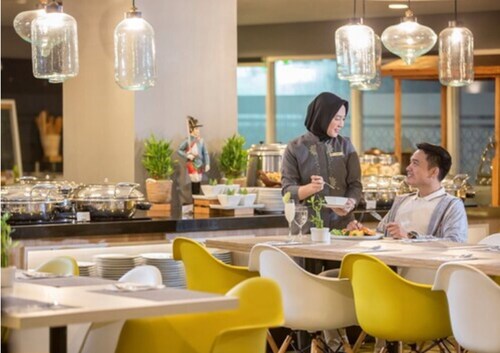
Khas Malioboro
10/10 Excellent
"The staff were super friendly and accommodating.. The room was spacious and the restaurant was also good. "
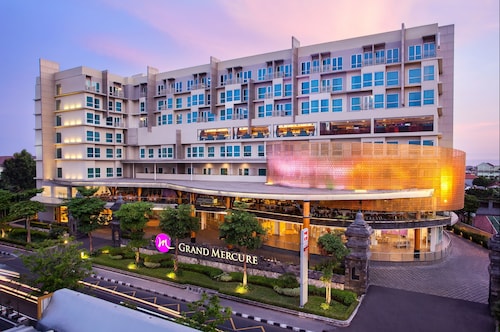
Grand Mercure Yogyakarta Adi Sucipto
8/10 Good
"The basement parking entrance & space are p0very tight. I suggest to have a better design for the transport parking facility."
More cheap stays in Tegalrejo

The Pod Mangkubumi
no.95 Jl. Margo Utomo Yogyakarta DI Jogjakarta
NT$207
NT$250 total
Nov 11 - Nov 12
includes taxes & fees

Cendhani Raras Gallery
Jl. Sidoasih No.44b, Tiyasan, Condongcatur, Kec. Depok, Kabupaten Sleman Depok D.I Yogyakarta
NT$242
NT$292 total
Oct 25 - Oct 26
includes taxes & fees

Florens Inn
Jl. Tentara Zeni Pelajar No.23 Yogyakarta Jawa Tengah
NT$389
NT$470 total
Nov 12 - Nov 13
includes taxes & fees
10/10 Exceptional! (1 review)

HUBS Hostel Yogyakarta
No. 60 Jalan P. Mangkubumi Yogyakarta Jogja
NT$490
NT$593 total
Oct 22 - Oct 23
includes taxes & fees
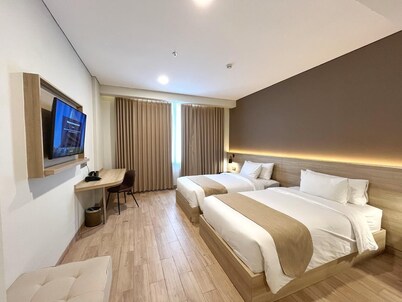
Prime UMY Hotel Convention & Dormitory
Jl. Anggrek Tegalrejo Kasihan Jogja
NT$495
NT$599 total
Oct 14 - Oct 15
includes taxes & fees

Frequently asked questions
Explore a world of travel with Expedia
- Resorts in Kulon Progo
- Baturetno Hotels
- Prawirotaman Hotels
- Gay friendly Hotels in Yogyakarta
- Yogyakarta Hotels
- Parangtritis Hotels
- Semanu Hotels
- Central Yogyakarta Hotels
- Resorts in Sleman Regency
- Kulon Progo Hotels
- Imogiri Hotels
- Kasihan Hotels
- Sinduadi Hotels
- Berbah Hotels
- Hotels near Pakuwon Mall
- Banguntapan Hotels
- Prambanan Hotels
- Panggang Hotels
- Hotels near Islamic University of Indonesia
- Pakem Hotels
- Playen Hotels
- Kalasan Hotels
- Jetis Hotels
- Karangmojo Hotels
- Flights from Kaohsiung (KHH) to Yogyakarta (JOG)
- Flights from Jakarta (JKT) to Yogyakarta (JOG)
- Flights from Bandung (BDO) to Yogyakarta (JOG)
- Flights from Taipei (TPE) to Yogyakarta (JOG)
- Flights from Semarang (SRG) to Yogyakarta (JOG)
- Flights from Jakarta (CGK) to Yogyakarta (JOG)
- Flights from Singapore (SIN) to Yogyakarta (JOG)
- Flights from Sewon
- Flights from Denpasar (DPS) to Yogyakarta (JOG)
- Flights to Yogyakarta
- Flights from Kuala Lumpur (KUL) to Yogyakarta (JOG)
- Visit Temon
- Prambanan Temple
- Parangkusumo Sand Dunes
- Bantul Batik Village
- Malioboro Street
- Visit Yogyakarta
- Visit Parangtritis
- Parangtritis Beach
- Visit Prambanan
- Kota Gede
- Islamic University of Indonesia
- Candi Sari
- Kalasan Temple
- Tebing Breksi
- Yogyakarta Vacations
- Visit Bantul
- Ratu Boko Palace
- Tugu Yogyakarta
- Kulon Progo Vacations
- Visit Wonosari
- Affandi Museum