

相片由 Sharrie Shaw 提供

奇尼塔 (ATH) 附近飯店 | 熱門住宿限時優惠 起
 改變心意預訂可以免費取消的飯店
 精挑細選搜尋全球約 100 萬間旅宿
奇尼塔飯店的精選推薦
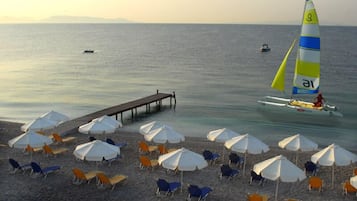
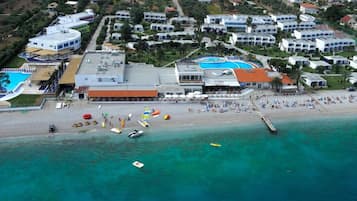


1. 科默基內塔海灘全包式度假村
科默基內塔海灘全包式度假村距離奇尼塔 0.8 公里
7.6 分,滿分 10 分,不錯哦,(126 則評論)
「It's nice. The hotel is right on the beach and the swimming pools are big. There's not too many sun loungers so you have to get in there quick. The staff are good but the bar staff always seemed a little under pressure. The entertainment is also good but is targeted towards their mainly French guests but they do try to include everyone. It's a great place for families. If you're expecting people not to push in at the buffet queue you're in for a shock. Also getting a train to and from the...

Anoop
現在價格為 NT$4,249
總價 NT$5,191
含稅金和其他費用
10 月 2 日 - 10 月 3 日


2. 基內塔SUN海濱飯店
基內塔SUN海濱飯店距離奇尼塔 2.4 公里
7.6 分,滿分 10 分,不錯哦,(97 則評論)
「Staff are friendly and helpful when you need anything. Excellent location. Excellent amenities. Excellent value.」

Irene
現在價格為 NT$1,977
總價 NT$2,336
含稅金和其他費用
9 月 22 日 - 9 月 23 日



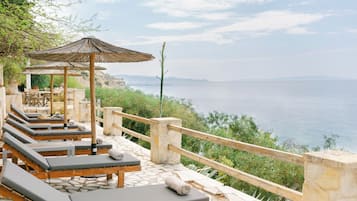

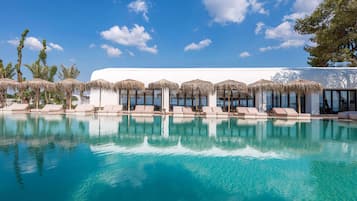

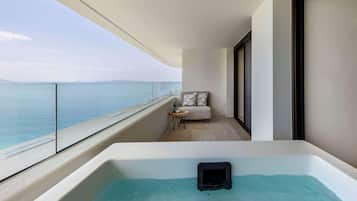

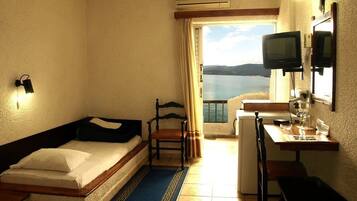
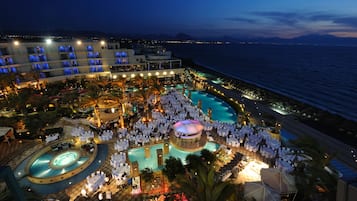
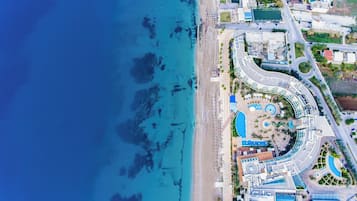
5. 科林西亞 Isla Brown 度假村及水療中心, 希爾頓格芮精選飯店
科林西亞 Isla Brown 度假村及水療中心, 希爾頓格芮精選飯店距離奇尼塔 7.7 公里
8.2 分,滿分 10 分,非常好,(155 則評論)
「War alles in Ordnung ,
Bedienung am Pool war nicht so gut .
Wir hatten all inklusive gebucht
Auswahl an Essen leider nicht so gut , die meiste Zeit nur außerhalb gegessen !」

Sudhir
現在價格為 NT$4,651
總價 NT$5,830
含稅金和其他費用
10 月 14 日 - 10 月 15 日


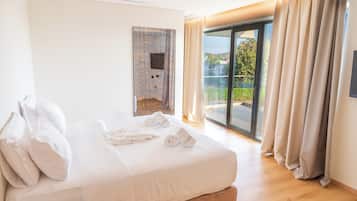

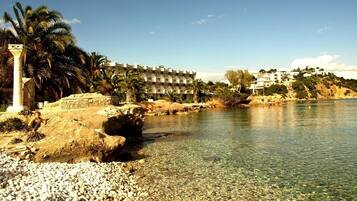
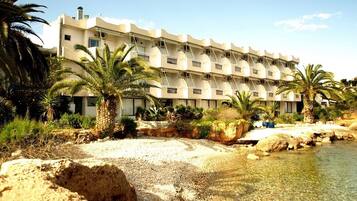




8. 羅塔奇賭場俱樂部飯店
羅塔奇賭場俱樂部飯店距離奇尼塔 21.4 公里
8.2 分,滿分 10 分,非常好,(598 則評論)
「Great location & view, but older style.」

Angela
現在價格為 NT$4,721
總價 NT$5,910
含稅金和其他費用
9 月 22 日 - 9 月 23 日


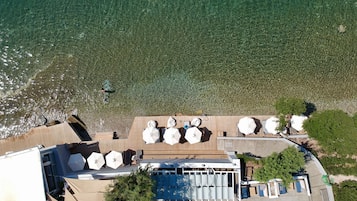
9. 路特奇佩卡基精品飯店
路特奇佩卡基精品飯店距離奇尼塔 21.8 公里
9.2 分,滿分 10 分,太棒了,(174 則評論)
現在價格為 NT$3,107
總價 NT$3,893
含稅金和其他費用
10 月 7 日 - 10 月 8 日


10. 迪歐克斯開放式公寓飯店
迪歐克斯開放式公寓飯店距離奇尼塔 21.2 公里
9.8 分,滿分 10 分,好極了,(152 則評論)
「Hôtel très bien tenu , propre, accueillant,bonne literie , petit déjeuner variés ,la chambre sans vue sur mer (a l arrière) avait l aventage de n être pas sur la route donc très calme mais un vis a vis important mais pas gênant pour une nuit」

Guy
現在價格為 NT$3,766
總價 NT$4,349
含稅金和其他費用
9 月 23 日 - 9 月 24 日

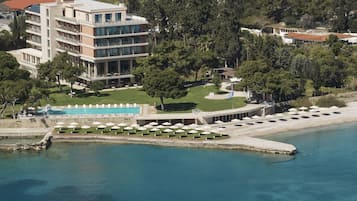


11. 喀拉瑪奇海灘渡假村
喀拉瑪奇海灘渡假村距離奇尼塔 20.3 公里
8.2 分,滿分 10 分,非常好,(148 則評論)
「Très bon séjour dans cet hôtel, Le personnel est charmant et disponible.
L’hôtel mérite un petit entretien, mais cela ne gâche pas le séjour, les chambres sont spacieuses et confortables.
La salle de sport contient des appareils anciens et ne dispose pas de tapis ou de rameur.
Je déconseille le service buanderie, le linge est rendu dans le même sac qui contenait le linge sale et nos vêtements ont rétréci.」
fabien
現在價格為 NT$4,023
總價 NT$4,934
含稅金和其他費用
10 月 1 日 - 10 月 2 日


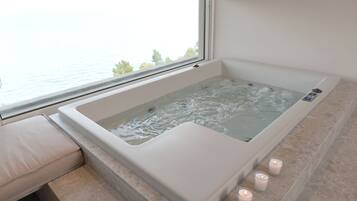

12. 馬爾馬拉俱樂部薩龍國王飯店
馬爾馬拉俱樂部薩龍國王飯店距離奇尼塔 19.1 公里
8.2 分,滿分 10 分,非常好,(156 則評論)
現在價格為 NT$3,186
總價 NT$3,984
含稅金和其他費用
10 月 7 日 - 10 月 8 日

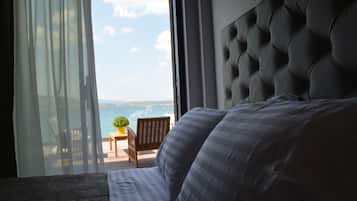
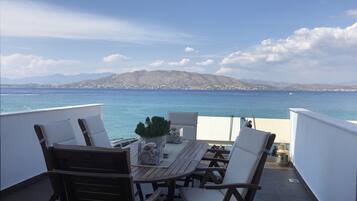

13. 亞安泰昂灣豪華套房飯店
亞安泰昂灣豪華套房飯店距離奇尼塔 22.7 公里
9.2 分,滿分 10 分,太棒了,(58 則評論)
「clean and new」

WEI
現在價格為 NT$2,578
總價 NT$3,110
含稅金和其他費用
9 月 28 日 - 9 月 29 日


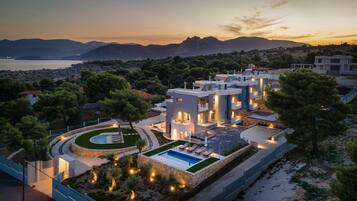

14. Cavos Boutique Homes
Cavos Boutique Homes距離奇尼塔 19.5 公里
10.0 分,滿分 10 分,好極了,(8 則評論)
「A beautiful place with a great beach a 3 minute walk away.」
Andrew
現在價格為 NT$13,585
總價 NT$15,501
含稅金和其他費用
9 月 25 日 - 9 月 26 日

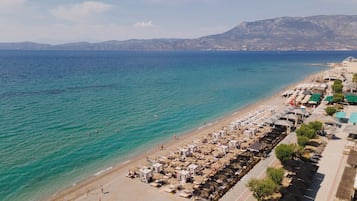



16. 蒂奧森尼亞飯店
蒂奧森尼亞飯店距離奇尼塔 21.1 公里
8.8 分,滿分 10 分,有夠讚,(37 則評論)
「great place to stay. 7 minutes walk from the main strip of bars & restaurants yet away from the noise. lovely views from the sea facing rooms, superb secluded gardens with the sound of rippling waves. efficient, if ancient, lift. older rooms (but including bath tubs) but well appointed- huge variety at breakfast, easy parking right outside- thoroughly recommended 」
Claire
現在價格為 NT$2,868
總價 NT$3,439
含稅金和其他費用
9 月 22 日 - 9 月 23 日


17. 盧特拉基Dave by the Beach飯店
盧特拉基Dave by the Beach飯店距離奇尼塔 20.8 公里
9.2 分,滿分 10 分,太棒了,(39 則評論)
現在價格為 NT$2,317
總價 NT$2,814
含稅金和其他費用
9 月 22 日 - 9 月 23 日
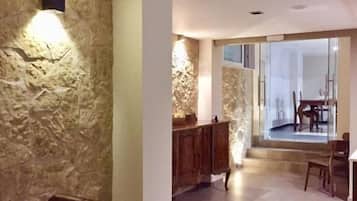

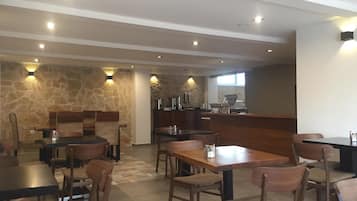

18. 阿波羅菲羅斯尼亞飯店
阿波羅菲羅斯尼亞飯店距離奇尼塔 24.4 公里
8.8 分,滿分 10 分,有夠讚,(68 則評論)
「the serving staff is full of passion, the general hotel facilities are good especially in the low season.」

匿名旅客
現在價格為 NT$2,366
總價 NT$2,760
含稅金和其他費用
9 月 27 日 - 9 月 28 日
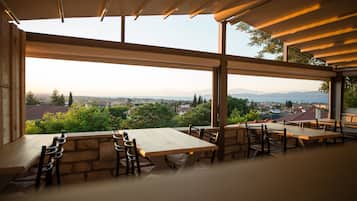



19. Pegasus 客房
Pegasus 客房距離奇尼塔 30 公里
9.8 分,滿分 10 分,好極了,(236 則評論)
現在價格為 NT$1,757
總價 NT$2,069
含稅金和其他費用
10 月 14 日 - 10 月 15 日

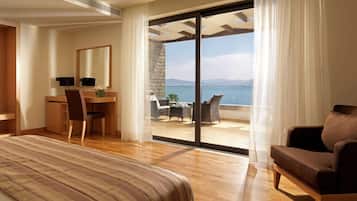
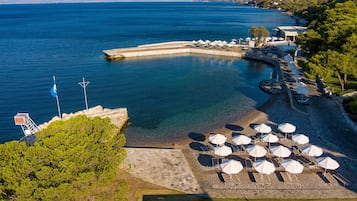
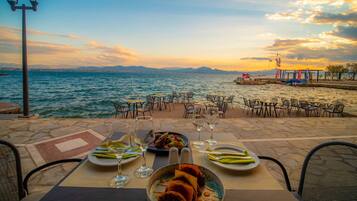
20. 洛特拉基波賽頓溫德姆渡假村
洛特拉基波賽頓溫德姆渡假村距離奇尼塔 23.4 公里
7.8 分,滿分 10 分,不錯哦,(191 則評論)
「Breakfast was the best part. Not enough chairs by the pool or on the pier with adequate shade. Property concrete needs more greenery. Rooms were clean.」
Andrew
現在價格為 NT$4,635
總價 NT$5,811
含稅金和其他費用
10 月 1 日 - 10 月 2 日
最低每晚價格是根據過去 24 小時以 2 位成人住宿 1 晚為條件所搜尋到的價格。價格和供應情況可能會有所變動,可能受到其他條款限制。
奇尼塔最佳住宿地點
尋找奇尼塔附近適合從事您最喜愛活動的地點。





雅典市中心
憲法廣場和雅典衛城是雅典市中心數一數二的熱門景點。您可以從大學站或辛他格馬站搭地鐵,來場城市巡迴之旅,深入探索附近的趣味博物館、各式咖啡館和各式各樣的商店。
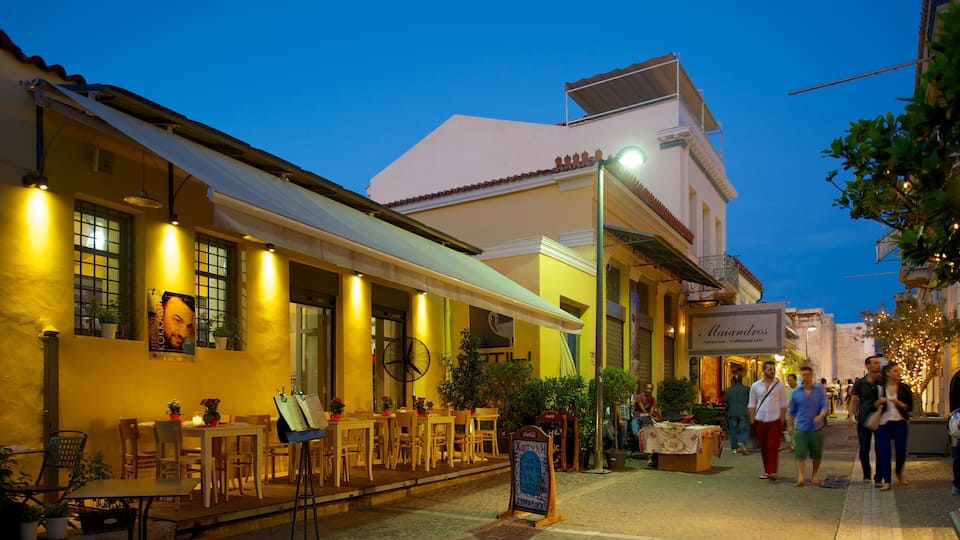
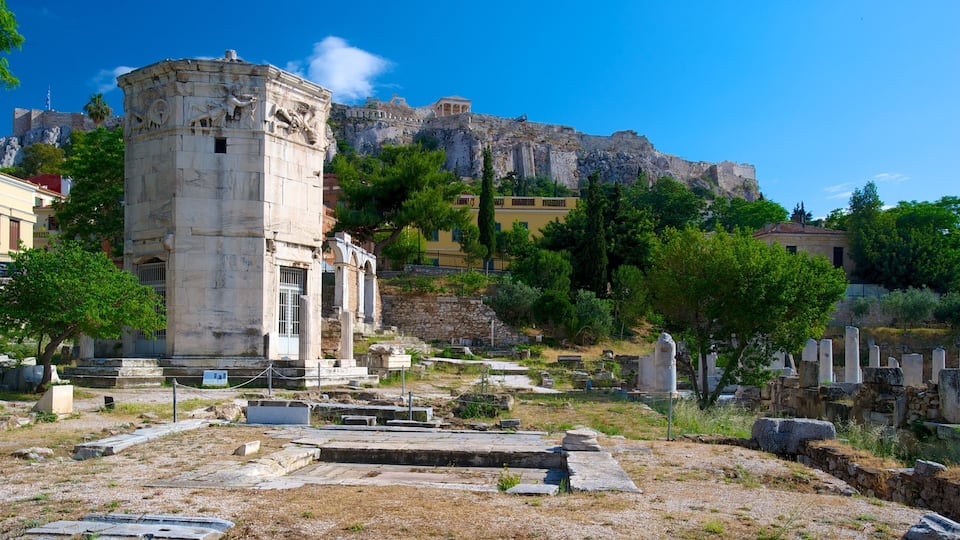
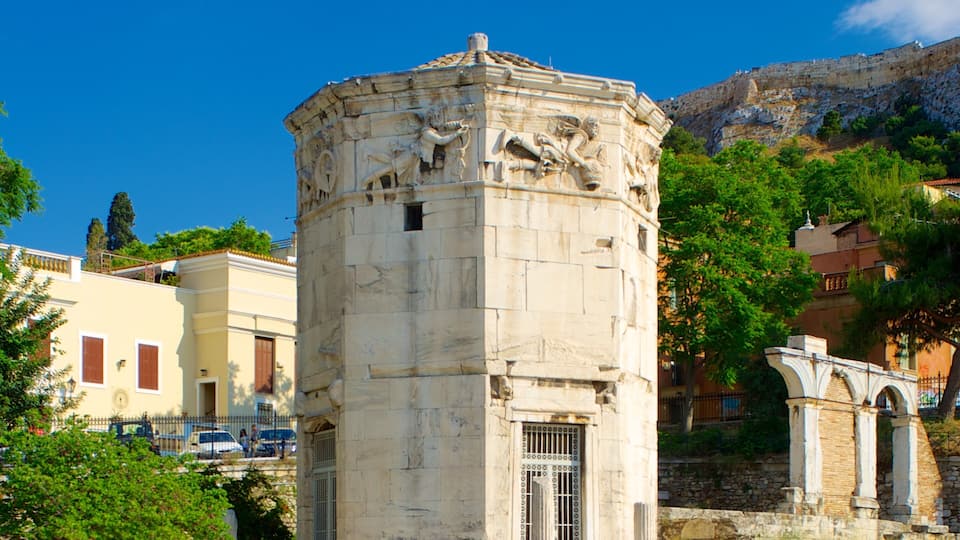







摩納斯夫提拉基
旅客都很喜歡摩納斯夫提拉基的精彩夜生活,來到這裡不妨到莫納斯提拉奇廣場和Ermou 大街走走。如果想深入探索附近區域,不妨從莫納斯蒂拉基站搭地鐵,整座城市走透透。