
Photo by Sharrie Shaw

Find hotels in Banjarsari, Surakarta
 Change your mindBook hotels with free cancellation
 Be pickySearch almost a million properties worldwide
Check prices for these dates
Our top choices for Banjarsari hotels


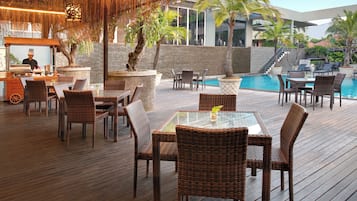
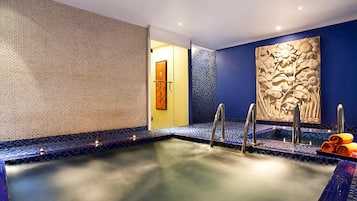
1. Swiss-Belhotel Solo
Swiss-Belhotel SoloBanjarsari
9.2 out of 10, Wonderful, (44 reviews)
"The hotel was very nice and the staff was very courteous and helpful. We truly enjoyed our stay and look forward to returning in the future."

STAN
The price is NT$1,410
NT$1,706 total
includes taxes & fees
Nov 1 - Nov 2


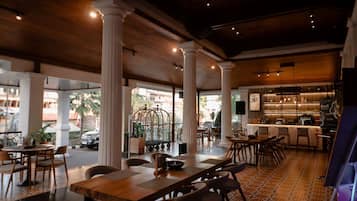
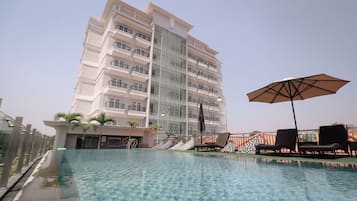
2. Novotel Solo
Novotel SoloBanjarsari
8.2 out of 10, Very good, (124 reviews)
"I like to staying in this place very nice people."
Supartiningsih
The price is NT$883
NT$1,069 total
includes taxes & fees
Oct 18 - Oct 19

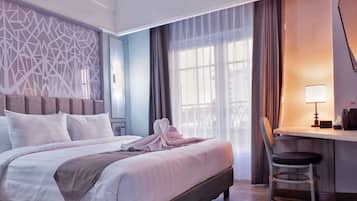
3. FIM by Zigna
FIM by ZignaBanjarsari
9.6 out of 10, Exceptional, (9 reviews)
"The hotel is an excellent place to stay. The hotel itself is not special or fancy, but it is well-run, clean, and located in the center of Solo. The breakfast buffet is excellent, the restaurant is good, and the hotel also has a nice cafe with an outside seating area. They featured life music at the cafe on weekend evenings. We saw no other foreign guests, which we saw as a plus. Many staff members speak good English."
Erzo
The price is NT$614
NT$743 total
includes taxes & fees
Oct 20 - Oct 21

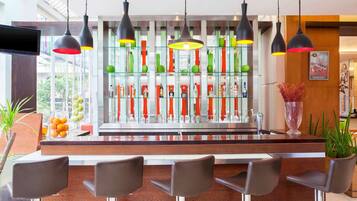
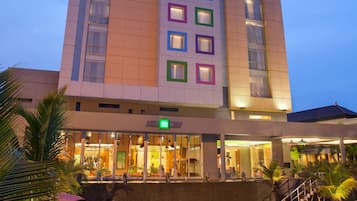
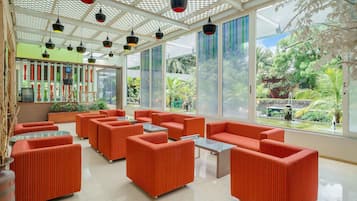
4. ibis Styles Solo
ibis Styles SoloBanjarsari
8.2 out of 10, Very good, (109 reviews)
"Room nice and clean, staff was great and nice, breakfast was good and delicious and has pool is a plus."
Endro
The price is NT$568
NT$687 total
includes taxes & fees
Oct 18 - Oct 19


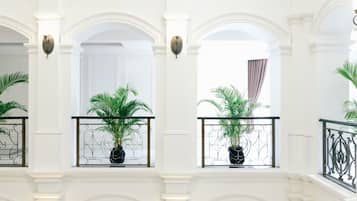
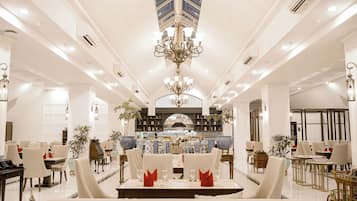
5. Mahalaya The Legacy Solo
Mahalaya The Legacy SoloBanjarsari
9.0 out of 10, Wonderful, (7 reviews)
"It was a perfect and enjoyable weekend get away break. The hotel is charming and comfortable. "
Anonymous traveler
The price is NT$1,013
NT$1,225 total
includes taxes & fees
Oct 18 - Oct 19
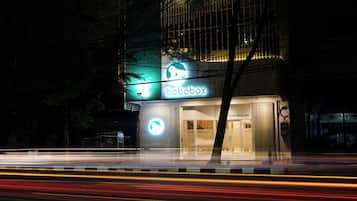
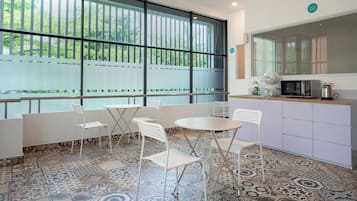
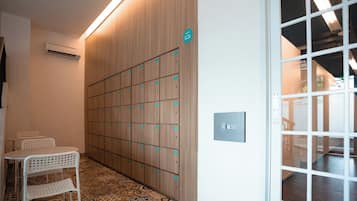

6. Bobopod Slamet Riyadi Solo
Bobopod Slamet Riyadi SoloBanjarsari
10.0 out of 10, Exceptional, (1 review)
"matur nuwun"

Sri
The price is NT$231
NT$256 total
includes taxes & fees
Oct 28 - Oct 29
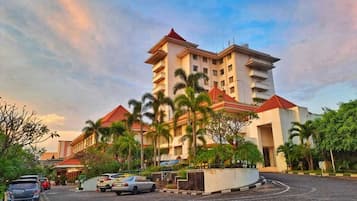


7. Sahid Jaya Hotel Solo
Sahid Jaya Hotel SoloBanjarsari
7.2 out of 10, Good, (24 reviews)
"シャワーの出が悪い"

Tadashi
The price is NT$780
NT$780 total
includes taxes & fees
Oct 28 - Oct 29

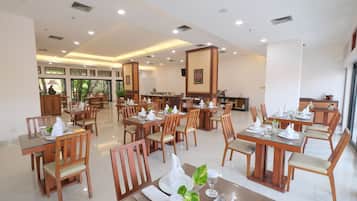
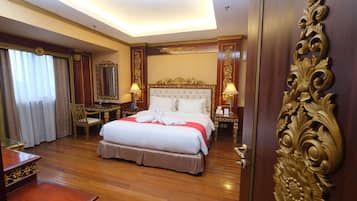

8. GRAND ORCHID HOTEL SOLO
GRAND ORCHID HOTEL SOLOBanjarsari
The price is NT$490
NT$599 total
includes taxes & fees
Oct 29 - Oct 30
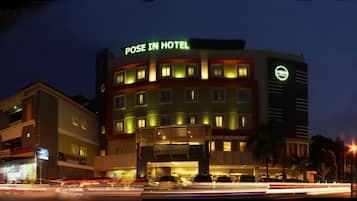


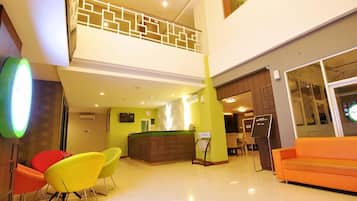
9. Pose in Solo by Wstay
Pose in Solo by WstayBanjarsari
6.8 out of 10, (17 reviews)
"We kept having to ask for towels, bathroom mats, and toilet paper.
Cleaning was average. With a little more effort the facilities could be kept clean."

Creed
The price is NT$558
NT$675 total
includes taxes & fees
Oct 18 - Oct 19


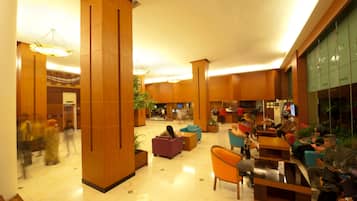


11. Hotel Asia
Hotel AsiaBanjarsari
6.0 out of 10, (12 reviews)
"Bad Room,and dirty bath.. staff not not friendly"
Tegar
The price is NT$698
NT$845 total
includes taxes & fees
Nov 14 - Nov 15
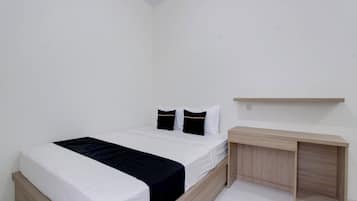
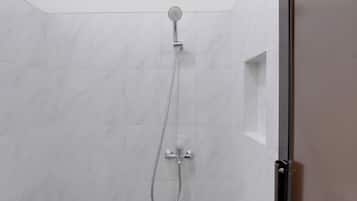
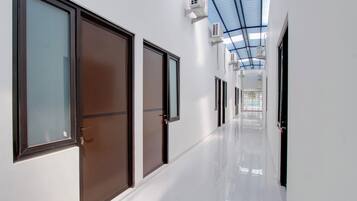
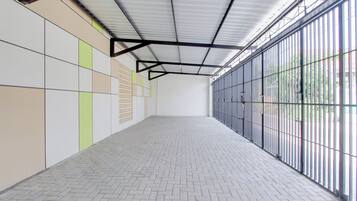
12. Collection O near Terminal Tirtonadi
Collection O near Terminal TirtonadiBanjarsari
The price is NT$207
NT$251 total
includes taxes & fees
Oct 21 - Oct 22
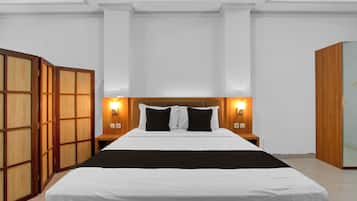
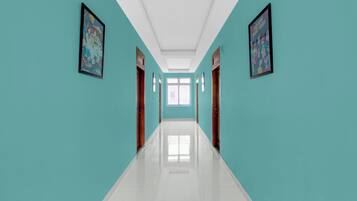

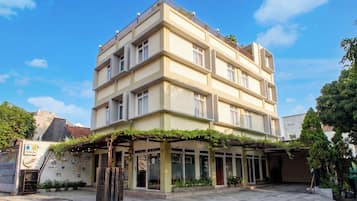
13. Collection O near Stasiun Solo Balapan f
Collection O near Stasiun Solo Balapan fBanjarsari
The price is NT$189
NT$228 total
includes taxes & fees
Oct 19 - Oct 20


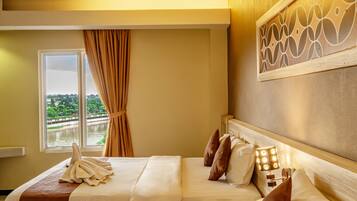
14. Red Chilies Hotel
Red Chilies HotelBanjarsari
The price is NT$425
NT$519 total
includes taxes & fees
Oct 29 - Oct 30


15. Rumah Turi Eco Hotel
Rumah Turi Eco HotelBanjarsari
7.8 out of 10, Good, (15 reviews)
"Great value for money and in a great spot within town, with a delicious Wedangan Pendopo Javanese restaurant nearby and many cafes within walking distance. Staff were extremely helpful and kind. Would definitely stay again if I return to Solo. "

Basalamah
The price is NT$386
NT$467 total
includes taxes & fees
Oct 18 - Oct 19
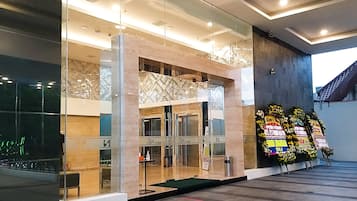

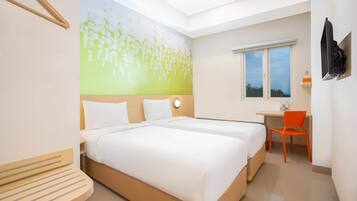

16. Zest Parang Raja Solo by Swiss-Belhotel International
Zest Parang Raja Solo by Swiss-Belhotel InternationalBanjarsari
7.0 out of 10, Good, (4 reviews)
"Clean room,closed to the city center"
Sam
The price is NT$527
NT$638 total
includes taxes & fees
Nov 1 - Nov 2
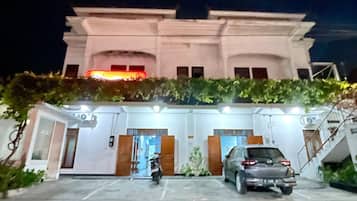
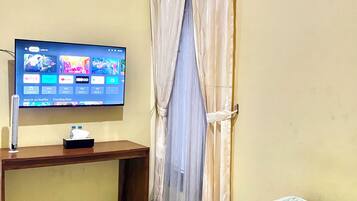
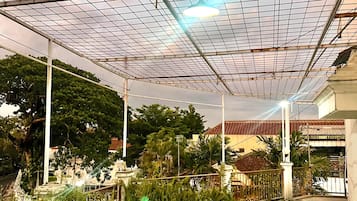

17. Telu Telu Solo
Telu Telu SoloBanjarsari
8.0 out of 10, Very good, (1 review)
"Sesuai harga.air panas ok.semua pesanan lewat app diletakkan di lantai 2."
Sam
The price is NT$248
NT$300 total
includes taxes & fees
Oct 19 - Oct 20
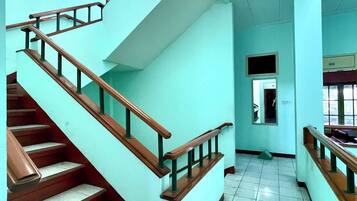
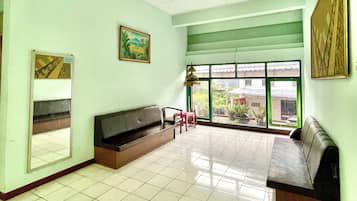

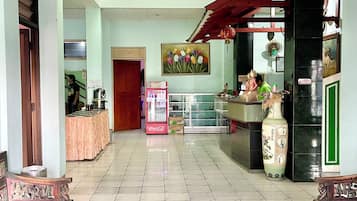
18. Hotel Tirtonadi Permai
Hotel Tirtonadi PermaiBanjarsari
The price is NT$133
NT$161 total
includes taxes & fees
Oct 16 - Oct 17
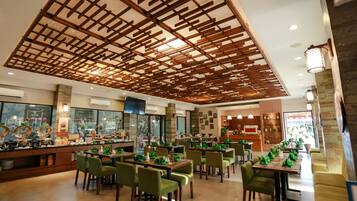

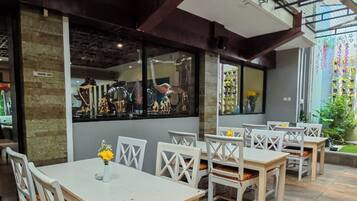
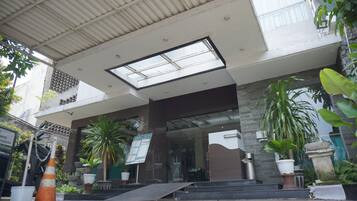
19. Loji Hotel Solo by Wstay
Loji Hotel Solo by WstayBanjarsari
7.2 out of 10, Good, (17 reviews)
"Pleasant hosts, Clean cozy hotel and room. Close to train station, recommended"

Ed
The price is NT$468
NT$566 total
includes taxes & fees
Oct 18 - Oct 19
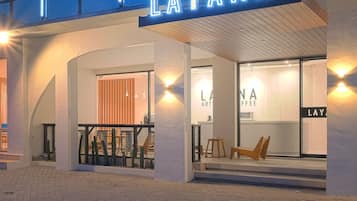
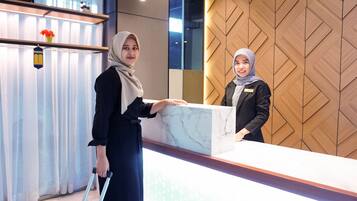
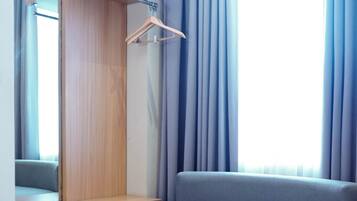
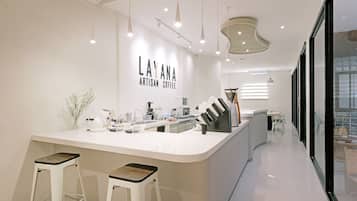
20. Horison Inn Laksana Solo
Horison Inn Laksana SoloBanjarsari
6.0 out of 10, (7 reviews)
"The hotel is clean and comfortable and the staff are friendly and helpful. There's a lot of noise in the middle of the night from outside."
K
The price is NT$385
NT$466 total
includes taxes & fees
Oct 19 - Oct 20
Lowest nightly price found within the past 24 hours based on a 1 night stay for 2 adults. Prices and availability subject to change. Additional terms may apply.
Compare popular hotels in Banjarsari


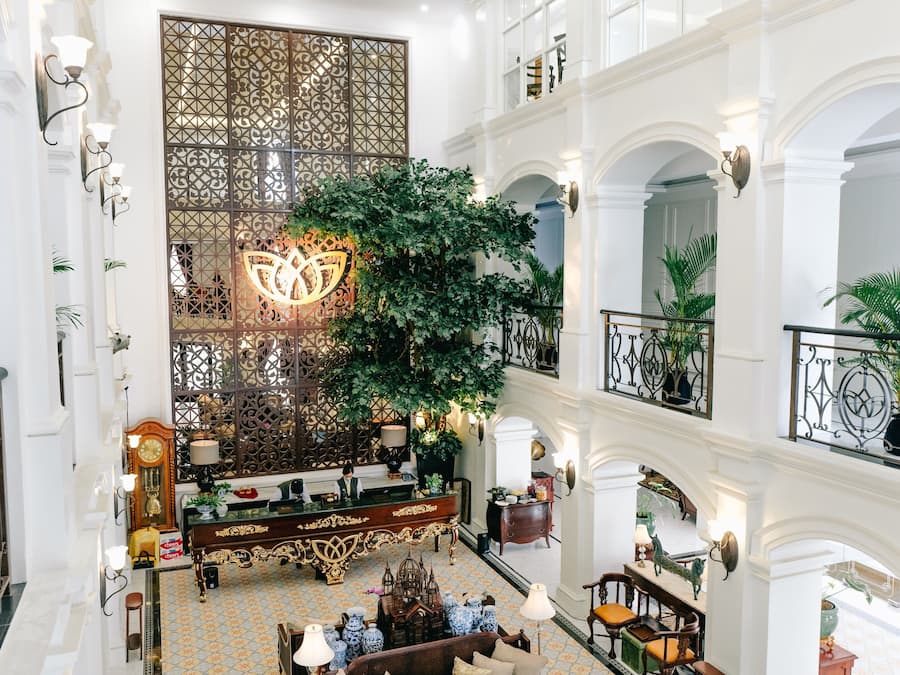

Where to stay in Banjarsari
Find the best Banjarsari areas and neighborhoods for the activities you enjoy most.
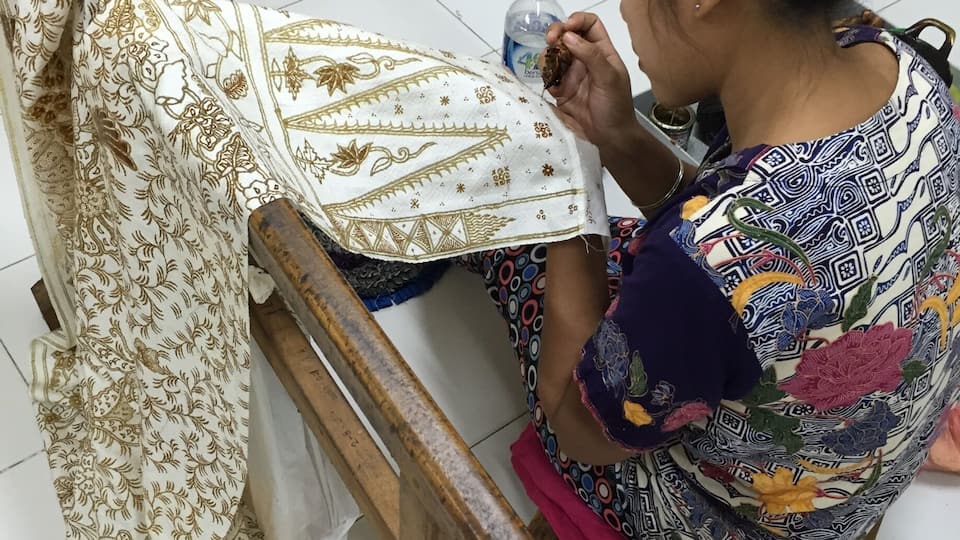
Photo by Sharrie Shaw
Open Photo by Sharrie Shaw
Solo City Centre
You'll enjoy the museums and zoo in Solo City Centre. You might want to make time for a stop at Solo Paragon Lifestyle Mall or Keprabon Park.
Laweyan
Laweyan might not have many top sights, but Solo Paragon Lifestyle Mall and Solo Square are two attractions nearby that you can check out.