Saint-Jacques - Nazareth

Angers

La Cale de la Savatte (Le port fluvial d'Angers). Le quai de la Savatte n'a rien à voir avec une quelconque chaussure, c'était une pièce de bois sur laquelle reposaient les navires à fond plat, les gabares. Jusque vers 1860, la Maine serpentait entre des îlots de prairies qui la divisaient en plusieurs bras. La plus grande de ces îles, l’île de la Savatte était bâtie. L’île de la Savatte, seule île bâtie, est aussi appelée île des Carmes, suite à l’établissement d’un couvent de l’ordre mendiant des Carmes en 1368. On appelait le bras de Maine entre la Doutre et l’île, le canal de la Tannerie. C’était un endroit malodorant, à cause des tanneurs qui y avaient installé leur industrie. A partir des premières décennies du XIXe siècle sont véritablement construits des quais, même si les projets en remontaient au moins à 1630. La métamorphose se poursuit après l'inondation de 1856 qui suscite en 1861 un programme d’assainissement et d’exhaussement des "bas quartiers" avec l’aide de l’État. Il faut vingt ans pour métamorphoser la rive droite. L’île de la Savatte est réunie à la Doutre en 1863-1865 avec les déblais du boulevard Descazeaux. En 1869, on creuse cette prairie pour créer la cale de la Savatte, entourée de nouveaux quais empierrés et utilisée comme port au sable jusqu’en 1984. Le quai des Carmes bâti en 1872-1878 et son prolongement jusqu’à la Haute-Chaîne seront achevés en 1883. Par la suite, le tracé de la rivière n’évolue plus de façon fondamentale. Depuis, la cale est devenue un port de plaisance. The slipway Savatte ( The river port of Angers) . The wharf Savatte has nothing to do with any shoe, it was a piece of wood on which rested the ships flat bottom, the scows.. Until 1860 , the Maine snaked between grassland patches which divided into several branches . The largest of these islands, the island of Savatte was built. The island of Savatte only island built , is also called Island of the Carmes , following the establishment of a convent of Carmes mendicant order in 1368. Maine 's arm was called between Doutre and the island, the channel Tannery . It was a smelly place , because tanners who had installed their industry. From the first decades of the nineteenth century are truly built docks , even if projects dating back at least to 1630 . The metamorphosis continues after the flood of 1856 which raises in 1861 a sanitation program and uplift of " slums " with the help of the state. It takes twenty years to transform the right bank. The island is joined to the Savatte Doutre in 1863-1865 with muck Boulevard Descazeaux . In 1869, we dig this meadow to create the hold of Savatte surrounded by new platforms and stony sand used as port until 1984. Quai des Carmelites built in 1872-1878 and its extension to the Upper Channel will be completed in 1883. Thereafter, the route of the river no longer changes fundamentally. Since the wedge became a marina .

Popular places to visit


Other neighborhoods around Saint-Jacques - Nazareth

Default Image

La Doutre

If you're looking for some top things to see and do in La Doutre and surrounding area, you can visit Place du Ralliement and Musée Jean Lurçat et de la Tapisserie Contemporaine.

La Doutre
Default Image

Belle-Beille

When in Belle-Beille, you can plan a visit to Musée des Beaux-Arts and Place du Ralliement, some noteworthy sights in the nearby area.

Belle-Beille
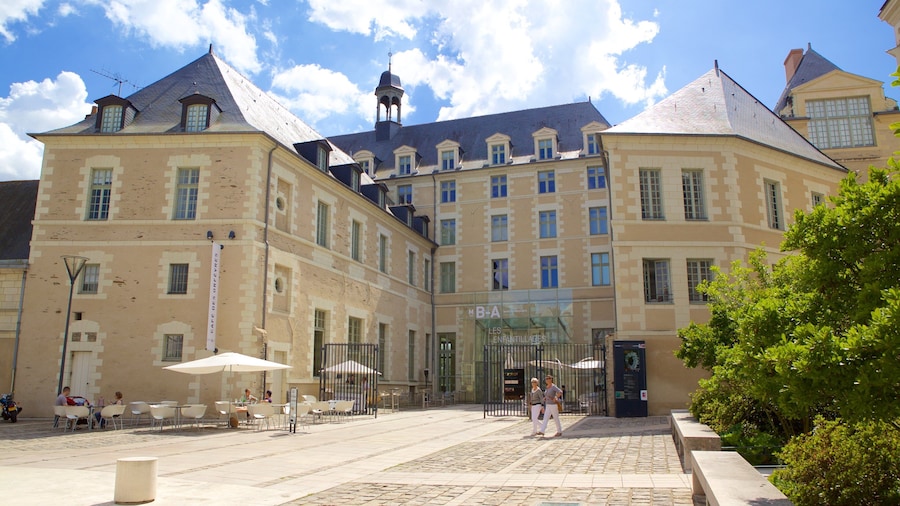
Musee des Beaux-Arts featuring a statue or sculpture

Downtown Angers

4.5/5(6 area reviews)

Downtown Angers is noteworthy for its historic sites, and you can make a stop at top attractions like Place du Ralliement and Musée des Beaux-Arts.

Downtown Angers
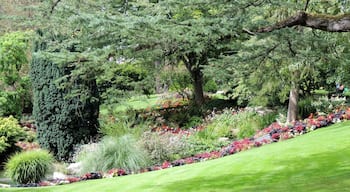
Jardin des plantes d'Angers, Maine et Loire, France

Saint-Serge

2/5(1 area review)

Saint-Serge might not have many top sights, but Place du Ralliement and Musée Jean Lurçat et de la Tapisserie Contemporaine are two attractions nearby that you can check out.
Saint-Serge
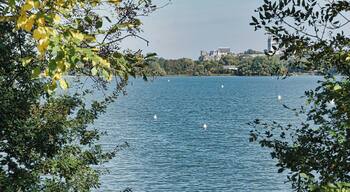
From the Lac de Maine, a recreation area in Angers, you have different views on the castle.

Lac de Maine

If you're looking for some top things to see and do in Lac de Maine and surrounding area, you can visit Musée des Beaux-Arts and Château de Brissac.

Lac de Maine
Default Image

La Fayette-Eblé

4/5(1 area review)

While visiting La Fayette-Eblé, you might make a stop by sights like Quartier de la Cité and Piscine de LA BAUMETTE.
La Fayette-Eblé


Saint-Jacques - Nazareth