Triana

Seville

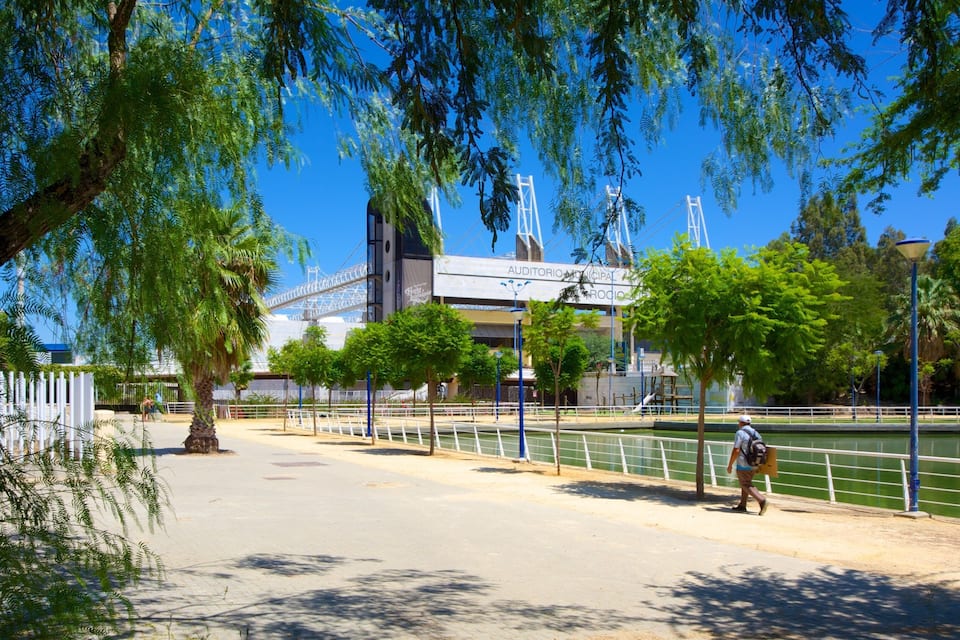
A riverside promenade with a bridge, historic buildings, and a calm river.
A statue of a woman in a city square with ornate buildings in the background.
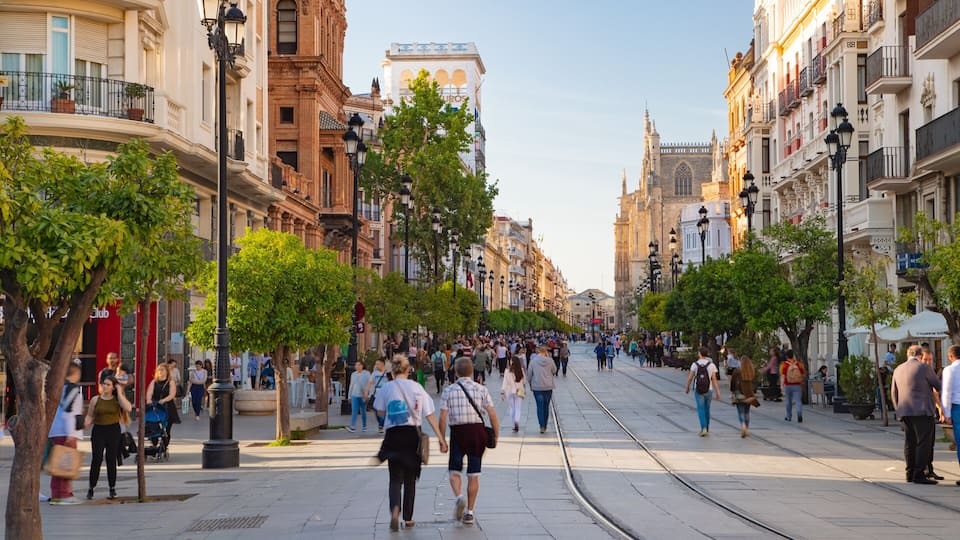
A narrow street lined with historic buildings and closed shops.
A waterfront with colorful buildings and a yellow bridge.
A building with a blue and white facade, a large mural, and two street lamps.

Get lost in the narrow lanes of the city’s old Roma quarter, known for its flamenco history and ceramics workshops.

Cross the Guadalquivir River at the Triana Bridge to tour the narrow streets, courtyards, churches, tapas bars and ceramics shops of Triana. The old neighborhood was once the heart of Seville’s Romani (Gypsy) community, and many renowned flamenco singers and dancers, bullfighters and artists were born here.

As you step off the bridge, you’ll see the 150-year-old Triana Market. This is a good place to buy fresh produce and local specialties. Nearby is the Plaza del Altozano, where there's a statue of the famous flamenco singer Pastora Pavón.

Go in search of more of Triana’s history by visiting some of its old buildings and monuments. Visit the Plaza de la Virgen de la Milagrosa to see a statue of Rodrigo de Triana, the first European to see America since the Vikings.

View religious artwork adorning the walls of the oldest parish church in Seville, the 13th-century Santa Ana. According to tradition, a baptism here will bless a child with the gift of flamenco. Look out for the few remaining corrales, communal Romani homes, built around the courtyards.

Triana has a long ceramics history. Many of the tiles that decorate Seville’s churches and homes were made here. Buy pots, vases and plates at Ceramicá Santa Ana, a shop inside an old ceramics factory. The colorful tiled frontage is a popular Triana landmark.

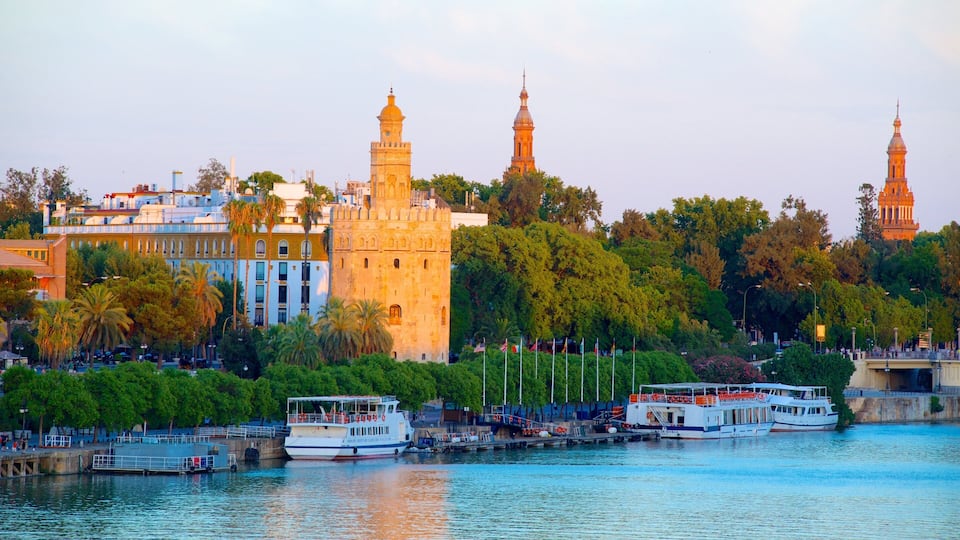
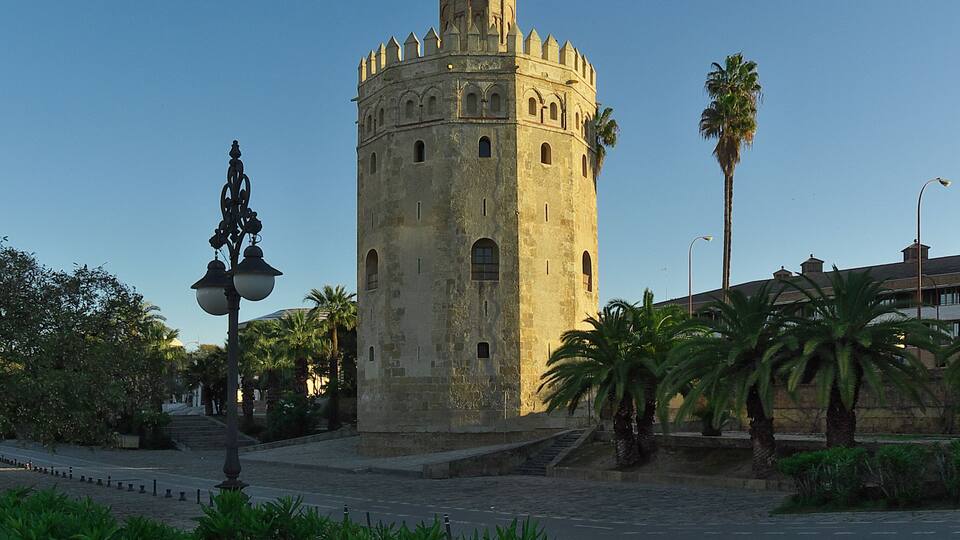
The neighborhood has plenty to offer in the evening, too. The focal point is Calle Betis, a waterfront street lined with tapas bars, restaurants and clubs. Dine at an outside terrace and take in views of Torre del Oro and the bullring across the water. Watch a flamenco show or join the dance floor at one of the clubs.

Triana is situated on the west bank of the Guadalquivir River. The easiest way to reach the old quarter is across the Triana Bridge, also known as Puente Isabel II. Driving in Triana is not recommended. All of the neighborhood’s main attractions are within easy walking distance of each other.


Stay near popular Triana attractions


Where to stay in Triana

Find the best Triana areas and neighborhoods for the activities you enjoy most.

Historical Center

Casa de la Memoria Cultural Center and Calle Sierpes are a few top attractions in Historical Center. Hop around the city on the metro at Plaza Nueva Tram Stop or Archivo de Indias Tram Stop and check out the area's fantastic nightlife, stunning cathedral, and popular shops.

Santa Cruz

Fantastic nightlife and stunning cathedral are a few of the things travelers enjoy most about Santa Cruz. A visit to Giralda Tower or General Archive of the Indies is also recommended, and you can jump aboard the metro at Puerta Jerez Tram Stop to get around town.

El Arenal

Travelers choose El Arenal for its ample dining options. Hop aboard the metro at Plaza Nueva Tram Stop or Archivo de Indias Tram Stop and check out top sights like Paseo de Cristóbal Colón.

Alfalfa

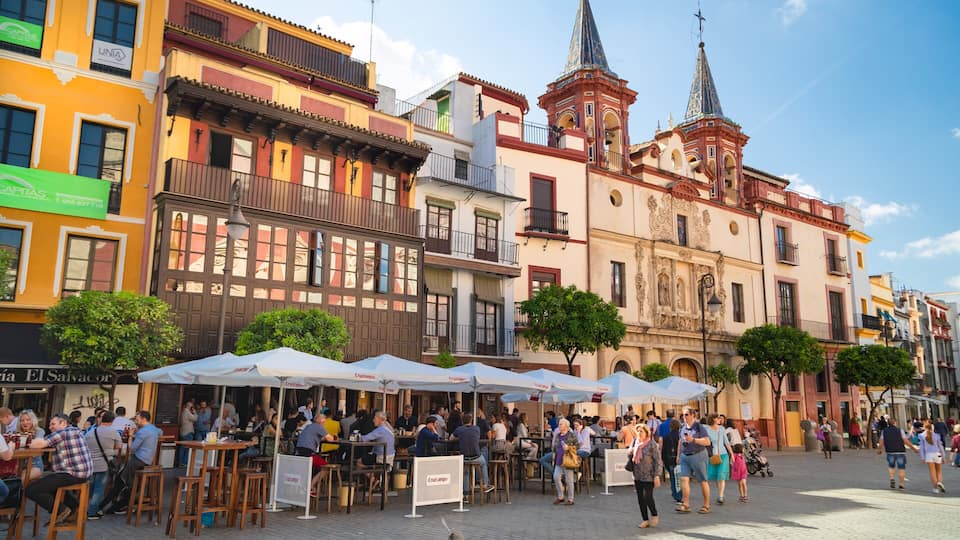
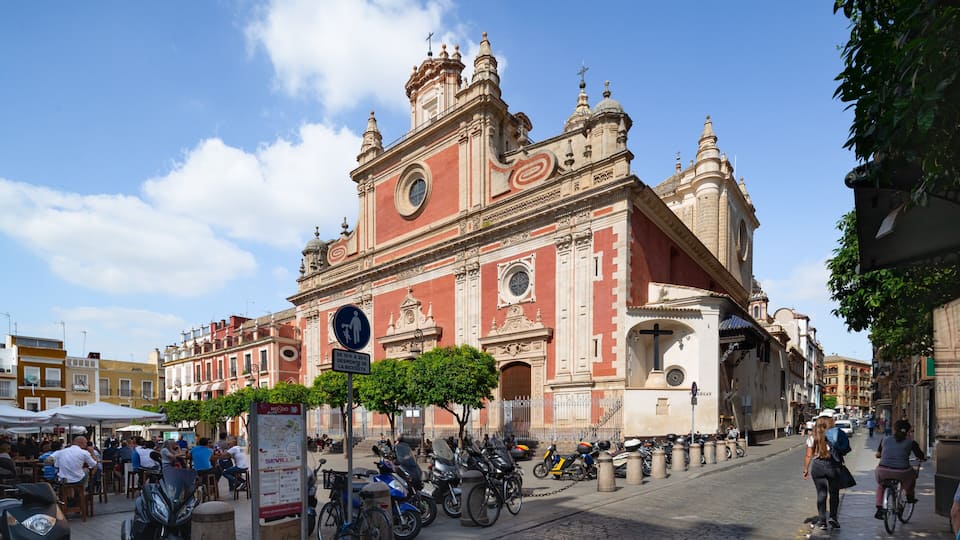
Unique features of Alfalfa include the bars and historic sites. Make a stop by Salvador Plaza or Calle Sierpes while you're exploring the area.

San Bartolomé

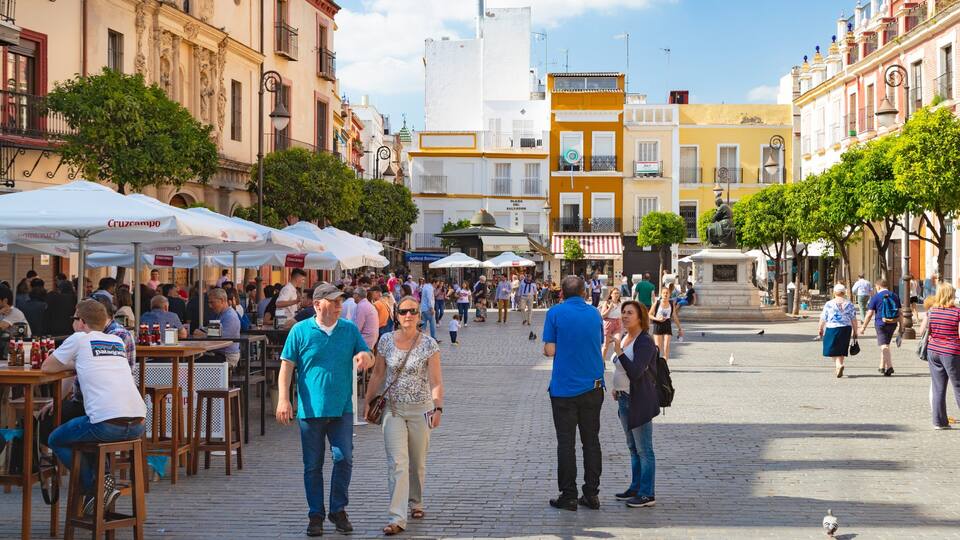
Travelers come to San Bartolomé for its lively bars, and you can see top attractions like Pilate's House and Zurbarán Statue while you're in town.


Triana