
Wilmington
Travel Guide


Visit Wilmington
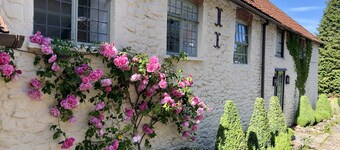
Home Farm B&B
Home Farm B&B Honiton England
The price is NT$3,856 per night from Sep 28 to Sep 29
NT$3,856
NT$4,627 total
Sep 28 - Sep 29
includes taxes & fees
Book a stay at this business-friendly guesthouse in Honiton. Enjoy free breakfast, free WiFi, and free parking. Popular attractions Lyme Bay Winery and Honiton ...
9.2/10 Wonderful! (99 reviews)
"Great location for the celebration we were attending. Lovely host really friendly. A fab stay"
Reviewed on 2026/9/13

Woodbury Park Hotel and Golf Club
Woodbury Castle Exeter England
The price is NT$2,682 per night from Sep 27 to Sep 28
NT$2,682
NT$3,218 total
Sep 27 - Sep 28
includes taxes & fees
Book a stay at this spa hotel in Exeter. Enjoy free WiFi, free parking, and a full-service spa. Our guests praise the helpful staff and the clean rooms in our ...

Courtyard by Marriott Exeter Sandy Park
Sandy Park Way Exeter England
The price is NT$2,776 per night from Oct 18 to Oct 19
NT$2,776
NT$3,332 total
Oct 18 - Oct 19
includes taxes & fees
Book a stay at this business-friendly hotel in Exeter. Enjoy free parking, breakfast (surcharge), and a 24-hour front desk. Our guests praise the helpful staff ...
8.8/10 Excellent! (1,011 reviews)
"Exceptional breakfast buffet, with all the true to form expected delicacies. Staff was professional and ever so polite. Dinner at the bar ran a little expensive. That’s my only mild to complaint. Walking distance from a pro rugby pitch if that’s of interest."
Reviewed on 2026/9/26
Lowest nightly price found within the past 24 hours based on a 1 night stay for 2 adults. Prices and availability subject to change. Additional terms may apply.

3 Bedroom Cottage - Hot Tub, Garden, Parking
Piglet Cottage, Dunkeswell Honiton England
Stay at this cottage in Honiton. Enjoy free parking, a garden, and cable TV channels. Popular attractions Mansell Raceway and Pit Lane are located nearby.

The Beach Hut
52 Ware Cliffs Lyme Regis England
Stay at this cottage in Lyme Regis. Enjoy free WiFi and free parking. Popular attractions Monmouth Beach and Lyme Regis Beach are located nearby.
Lowest nightly price found within the past 24 hours based on a 1 night stay for 2 adults. Prices and availability subject to change. Additional terms may apply.