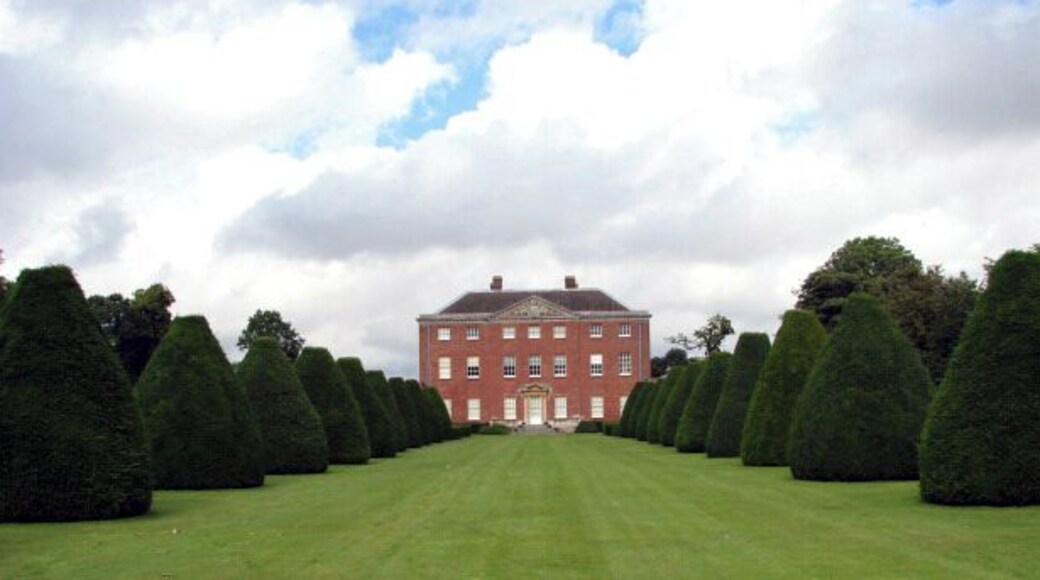
瑞普漢姆

旅遊指南

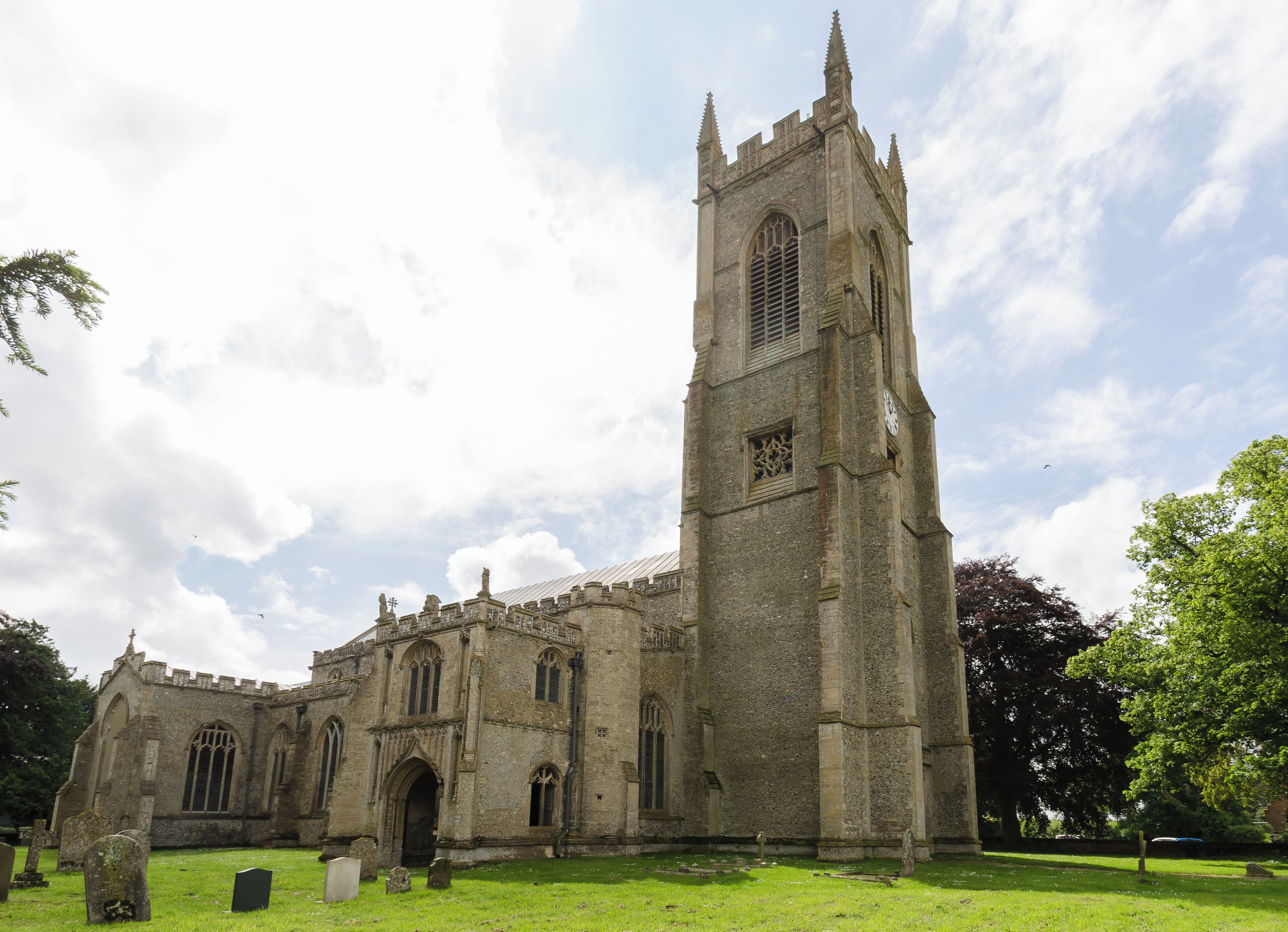
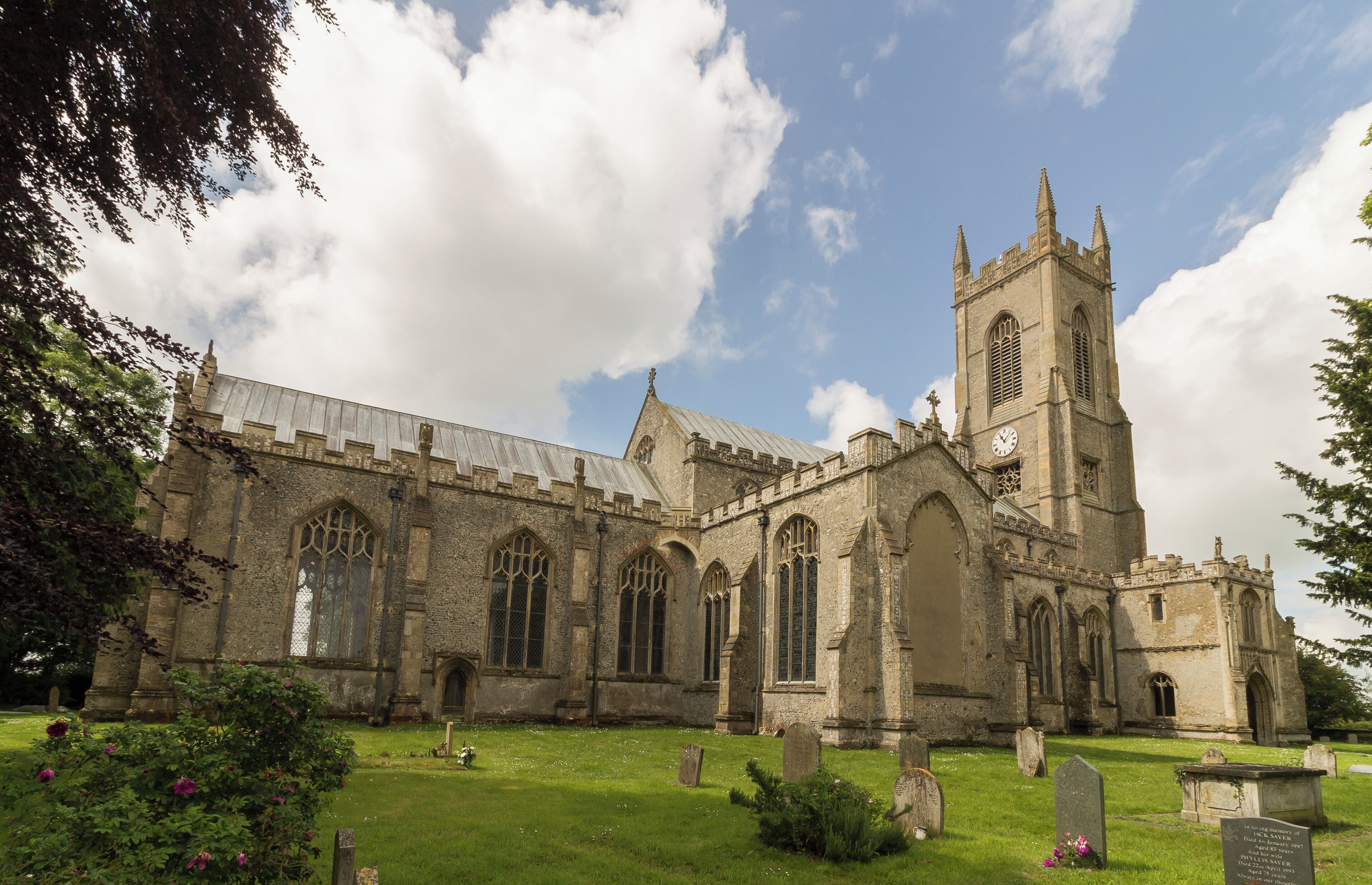
Reepham once had three churches almost touching each other, and two still stand. The main church is Saint Mary's, attached to this is St Michael's. The third church, All Saints' Hackford, was destroyed by fire in 1543 and the remnants mostly demolished in 1796. There is a small portion of the porch still extant opposite St Michael's tower. St Michael's church was the parish church of Whitwell until 1935 when the three parishes were amalgamated. It is now mainly used as a church hall. It has a tall west tower, nave, south porch and chancel which is linked to St Mary's church via a passageway. The tower is of two stages with battlements and pinnacles. Most of the church dates from the 14th and 15th century and has been recently converted into a church hall. At the east end there is a stained-glass window by Reginald Frampton. Saint Mary's church is a Grade I listed church dating from the 14th century, with a major restoration done in 1885. It is built of flint with a black pantile roof. There is a nave, north aisle, south porch, south tower (offset from the nave), south aisle and chancel. The clerestory was removed and the nave roof rebuilt circa 1790. The north arcade dates from the 14th century and has four bays with octagonal piers. The south arcade dates from the 13th century and also has four bays. The chancel was rebuilt during the Victorian restoration. On the north wall there is a monument probably to Roger de Kerdiston, died 1337. He lies on a bed of pebbles and there are eight weepers below. There is also a brass to Sir William de Kurdiston (d. 1391) and his wife Cecily. There is a Norman font of Purbeck marble from around 1200 at the west end of the church. Some of the bench ends have poppy heads with mediaeval animal carvings. There is a small organ and some stained glass windows. At the west end there is a linking passage to St Michael’s church.
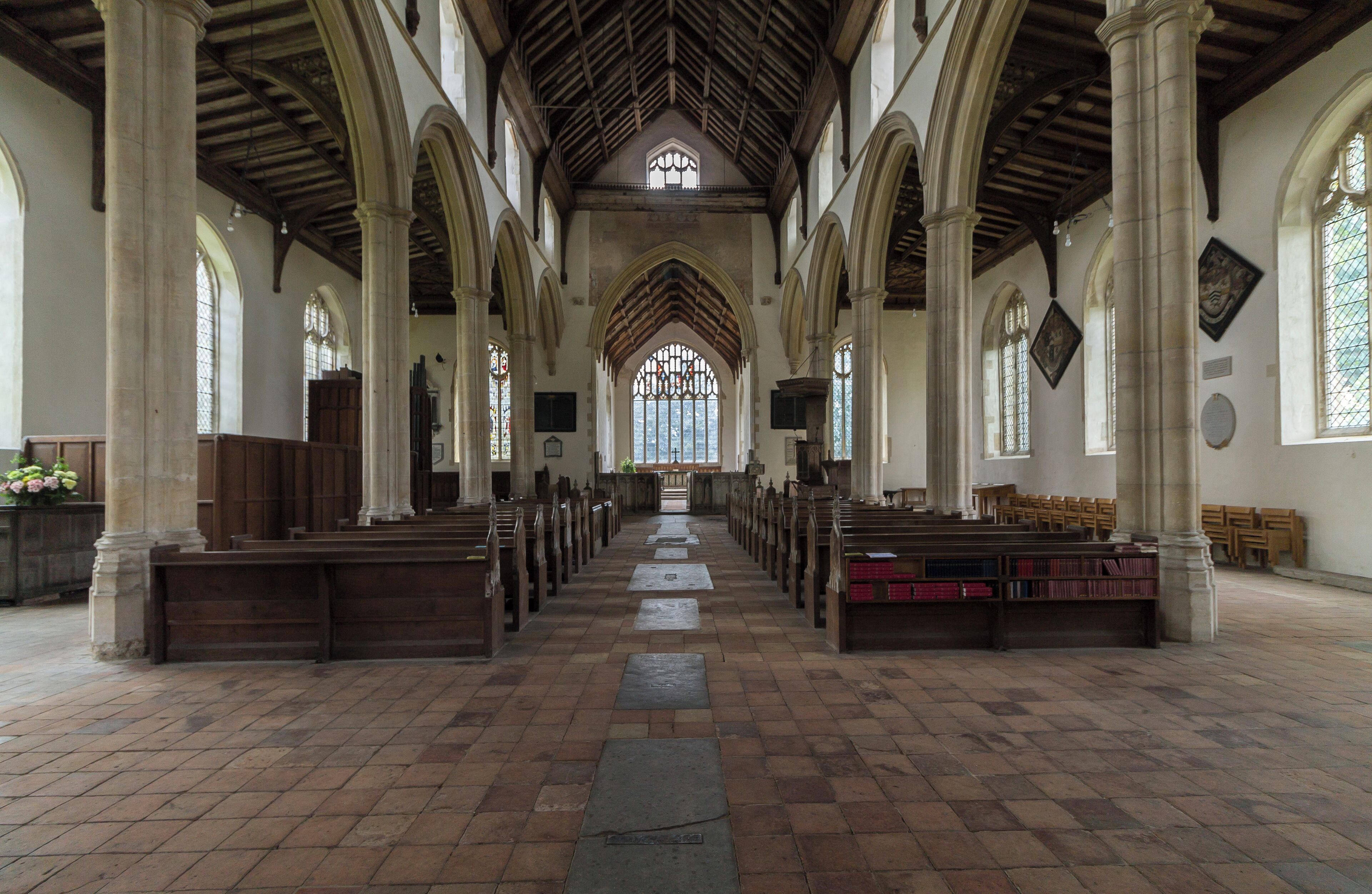
Grade I listed This large perpendicular church in a relatively remote location was built between around 1405 and 1420. It was financed by at least four Lords of Manors and other men with wealth acquired from wool. There were at least six Guilds Chapels, and a chaplain and clerks in each Chapel prayed daily for donors' souls. There is a west tower, north and south porch with parvises, nave with clerestory, north and south aisles, north and south transepts and chancel. The west tower is of four stages, the last stage was built around 1511. There is a west door with censing Angels and Shields over it. The centre of the tower has a "sound hole" with delicate tracery. The top has richly decorated battlements. There are eight bells. The north and south porches are of two storeys, with stair turret access. The north porch parvise has a vaulted ceiling with carved bosses. There is the remains of a piscina, and this was probably a Lady Chapel. The south porch has a standard beamed roof, and the parvise was probably a Treasury, as the timbers of the roof have iron bands for protection. The nave has six-bay arcades, the piers having four shafts. There is a tall clerestory, and a window over the chancel arch. The chancel has a seven light east window of plain glass with some mediaeval glass in the tracery depicting the nine orders of Angels. The south transept has a four light south window and a three light east window. There is some mediaeval glass in the traceries. The north transept, originally a Chapel of Thomas Rose, d. 1441, was restored in 1910 by Sir Alfred Jodrell. He donated three stained-glass windows, some of which have original glass in the tracery. The western window represents the history of the church. The top four lights of the west window contain a message "Hear this ye old men and give ear all ye inhabitants of the land, hath this been in your days or even in the days of your fathers?". The north window has been blocked. The roof, like many other East Anglian churches, has carved Angels, most of which retain the original painting. There are also carved roof bosses in the chancel with various scenes, e.g. Nativity, Last Supper etc. There is a tall tower arch with a ringing gallery at the base of the tower. This also houses a balustrade and crane supporting the font canopy, all done in carved wood with original colours. The octagonal font from circa 1437 depicts the Seven Sacraments and The Crucifixion. There is also an inscription recording the donors John and Agnes Luce. The figures at the base have been mutilated. The pulpit is originally from the 15th century and was converted into a triple-decker in 1611. The stalls have carvings on the armrests and misericords, and the benches have carved poppy heads. Little remains of the original screen, but the panels still retain original paint depicting the Doctors of the Church and The Apostles. There are several good brasses in the church, including a "shroud brass" to John Brigge, and one to Geoffrey Boleyn. At the end of the 19th century the church was in a poor state of repair. Sir Woolmer White and Sir Alfred Jodrell plus others funded repairs. The restoration was sympathetically done. There is a modest two manual organ which was presented by Sir Woolmer White in 1912. Pic by Jenny.
Grade I listed This large perpendicular church in a relatively remote location was built between around 1405 and 1420. It was financed by at least four Lords of Manors and other men with wealth acquired from wool. There were at least six Guilds Chapels, and a chaplain and clerks in each Chapel prayed daily for donors' souls. There is a west tower, north and south porch with parvises, nave with clerestory, north and south aisles, north and south transepts and chancel. The west tower is of four stages, the last stage was built around 1511. There is a west door with censing Angels and Shields over it. The centre of the tower has a "sound hole" with delicate tracery. The top has richly decorated battlements. There are eight bells. The north and south porches are of two storeys, with stair turret access. The north porch parvise has a vaulted ceiling with carved bosses. There is the remains of a piscina, and this was probably a Lady Chapel. The south porch has a standard beamed roof, and the parvise was probably a Treasury, as the timbers of the roof have iron bands for protection. The nave has six-bay arcades, the piers having four shafts. There is a tall clerestory, and a window over the chancel arch. The chancel has a seven light east window of plain glass with some mediaeval glass in the tracery depicting the nine orders of Angels. The south transept has a four light south window and a three light east window. There is some mediaeval glass in the traceries. The north transept, originally a Chapel of Thomas Rose, d. 1441, was restored in 1910 by Sir Alfred Jodrell. He donated three stained-glass windows, some of which have original glass in the tracery. The western window represents the history of the church. The top four lights of the west window contain a message "Hear this ye old men and give ear all ye inhabitants of the land, hath this been in your days or even in the days of your fathers?". The north window has been blocked. The roof, like many other East Anglian churches, has carved Angels, most of which retain the original painting. There are also carved roof bosses in the chancel with various scenes, e.g. Nativity, Last Supper etc. There is a tall tower arch with a ringing gallery at the base of the tower. This also houses a balustrade and crane supporting the font canopy, all done in carved wood with original colours. The octagonal font from circa 1437 depicts the Seven Sacraments and The Crucifixion. There is also an inscription recording the donors John and Agnes Luce. The figures at the base have been mutilated. The pulpit is originally from the 15th century and was converted into a triple-decker in 1611. The stalls have carvings on the armrests and misericords, and the benches have carved poppy heads. Little remains of the original screen, but the panels still retain original paint depicting the Doctors of the Church and The Apostles. There are several good brasses in the church, including a "shroud brass" to John Brigge, and one to Geoffrey Boleyn. At the end of the 19th century the church was in a poor state of repair. Sir Woolmer White and Sir Alfred Jodrell plus others funded repairs. The restoration was sympathetically done. There is a modest two manual organ which was presented by Sir Woolmer White in 1912.
Grade I listed This large perpendicular church in a relatively remote location was built between around 1405 and 1420. It was financed by at least four Lords of Manors and other men with wealth acquired from wool. There were at least six Guilds Chapels, and a chaplain and clerks in each Chapel prayed daily for donors' souls. There is a west tower, north and south porch with parvises, nave with clerestory, north and south aisles, north and south transepts and chancel. The west tower is of four stages, the last stage was built around 1511. There is a west door with censing Angels and Shields over it. The centre of the tower has a "sound hole" with delicate tracery. The top has richly decorated battlements. There are eight bells. The north and south porches are of two storeys, with stair turret access. The north porch parvise has a vaulted ceiling with carved bosses. There is the remains of a piscina, and this was probably a Lady Chapel. The south porch has a standard beamed roof, and the parvise was probably a Treasury, as the timbers of the roof have iron bands for protection. The nave has six-bay arcades, the piers having four shafts. There is a tall clerestory, and a window over the chancel arch. The chancel has a seven light east window of plain glass with some mediaeval glass in the tracery depicting the nine orders of Angels. The south transept has a four light south window and a three light east window. There is some mediaeval glass in the traceries. The north transept, originally a Chapel of Thomas Rose, d. 1441, was restored in 1910 by Sir Alfred Jodrell. He donated three stained-glass windows, some of which have original glass in the tracery. The western window represents the history of the church. The top four lights of the west window contain a message "Hear this ye old men and give ear all ye inhabitants of the land, hath this been in your days or even in the days of your fathers?". The north window has been blocked. The roof, like many other East Anglian churches, has carved Angels, most of which retain the original painting. There are also carved roof bosses in the chancel with various scenes, e.g. Nativity, Last Supper etc. There is a tall tower arch with a ringing gallery at the base of the tower. This also houses a balustrade and crane supporting the font canopy, all done in carved wood with original colours. The octagonal font from circa 1437 depicts the Seven Sacraments and The Crucifixion. There is also an inscription recording the donors John and Agnes Luce. The figures at the base have been mutilated. The pulpit is originally from the 15th century and was converted into a triple-decker in 1611. The stalls have carvings on the armrests and misericords, and the benches have carved poppy heads. Little remains of the original screen, but the panels still retain original paint depicting the Doctors of the Church and The Apostles. There are several good brasses in the church, including a "shroud brass" to John Brigge, and one to Geoffrey Boleyn. At the end of the 19th century the church was in a poor state of repair. Sir Woolmer White and Sir Alfred Jodrell plus others funded repairs. The restoration was sympathetically done. There is a modest two manual organ which was presented by Sir Woolmer White in 1912. Pic by Jenny.
The Dial House

The Dial House

4 out of 5
Market Place Norwich England
3月1日至3月2日價格為每晚 NT$5,133
NT$5,133
總價 NT$6,160
3 月 1 日 - 3 月 2 日
含稅金和其他費用
此飯店位於諾威治。這裡有免費早餐、免費無線上網和附設 Spa 服務等設施服務。漢普頓家居與花園和懷特維爾和瑞普漢姆車站等著名景點就在附近。
9.4/10 Exceptional! (54 則評論)
Unique and different with the added touches. Great breakfast from the bakery downstairs

評論日期:2026 年 2 月 12 日

The Dial House
敦斯頓霍爾 Spa 飯店及高爾夫度假村

敦斯頓霍爾 Spa 飯店及高爾夫度假村

4 out of 5
Ipswich Road Norwich England
3月8日至3月9日價格為每晚 NT$4,234
NT$4,234
總價 NT$5,081
3 月 8 日 - 3 月 9 日
含稅金和其他費用
此 Spa 飯店位於諾威治。這裡有免費無線上網、全套 Spa 服務和高爾夫球場等設施服務。許多旅客在評論中提到,他們很喜歡這間住宿的早餐和游泳池。鄧斯頓大廳和高灰農場等著名景點就在附近。
8.4/10 Very Good! (1,000 則評論)
Room air condition was not working. Heating in bathroom broken. Very noisy hotel.

評論日期:2026 年 2 月 24 日

敦斯頓霍爾 Spa 飯店及高爾夫度假村
梅斯海德飯店

梅斯海德飯店

4 out of 5
Tombland Norwich England
可全額退款現在預訂,入住時付款
2月27日至2月28日價格為每晚 NT$4,355
NT$4,355
總價 NT$5,226
2 月 27 日 - 2 月 28 日
含稅金和其他費用
此歷史名勝飯店位於諾威治。這裡有免費無線上網、可供應早餐和 24 小時客房餐點服務等設施服務。許多旅客在評論中提到,他們很喜歡這間住宿的友善員工和乾淨客房。Hungate中世紀藝術和聖彼得亨蓋特博物館等著名景點就在附近。
9.2/10 Wonderful! (1,002 則評論)
I stay

評論日期:2025 年 7 月 22 日

梅斯海德飯店
最低每晚價格是根據過去 24 小時以 2 位成人住宿 1 晚為條件所搜尋到的價格。價格和供應情況可能會有所變動。可能另外有其他條件限制。
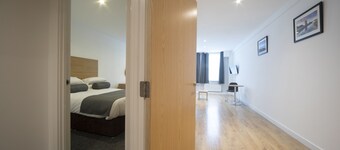
克羅默鄉村俱樂部

克羅默鄉村俱樂部

4 out of 5
127 Overstrand Road Cromer England
此飯店式公寓位於克羅默海灘。這裡有免費無線上網、免費自助停車和健身中心等設施服務。許多旅客在評論中提到,他們很喜歡這間住宿的餐廳和友善員工。皇家克羅默高爾夫俱樂部和克羅默卡丁車賽道等著名景點就在附近。
9.2/10 Wonderful! (1,011 則評論)
非常舒適
超值

評論日期:2018 年 2 月 10 日

克羅默鄉村俱樂部
威靈頓公寓

威靈頓公寓

4 out of 5
St Faiths Ln Norwich England
此飯店式公寓位於諾威治。這裡有免費無線上網、24 小時櫃台服務和禮賓服務等設施服務。許多旅客在評論中提到,他們很喜歡這間住宿的友善員工。詹姆斯·斯圖爾特花園和大醫院等著名景點就在附近。
9/10 Wonderful! (427 則評論)
地點方便,環境幽静,房間清潔

評論日期:2024 年 9 月 3 日

威靈頓公寓
三臥室住宅 - 可住五人 - 花園 - 停車場 - 無線網路度假屋

三臥室住宅 - 可住五人 - 花園 - 停車場 - 無線網路度假屋

3 out of 5
Norwich England
此公寓位於諾威治。這裡有免費無線上網、免費自助停車和花園等設施服務。毛斯伍德荒原和Blyth Jex羽毛球場等著名景點就在附近。
三臥室住宅 - 可住五人 - 花園 - 停車場 - 無線網路度假屋
最低每晚價格是根據過去 24 小時以 2 位成人住宿 1 晚為條件所搜尋到的價格。價格和供應情況可能會有所變動。可能另外有其他條件限制。
熱門景點

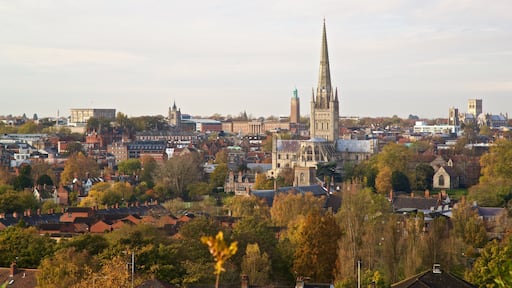
瑞普漢姆附近的城市