


Find hotels near Chitradurga Fort, Chitradurga from NT$406
 Change your mindBook hotels with free cancellation
 Be pickySearch almost a million properties worldwide
Check prices for these dates
Tonight
Oct 4 - Oct 5Tomorrow
Oct 5 - Oct 6Next weekend
Oct 9 - Oct 11In two weeks
Oct 16 - Oct 18 Our top choices for Chitradurga Fort hotels



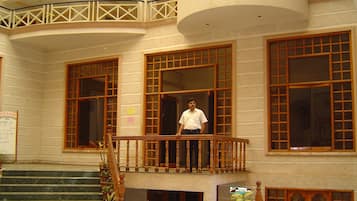
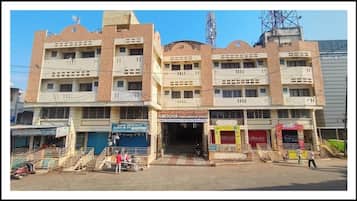
1. Mourya Deluxe AC Lodge
Mourya Deluxe AC Lodge0.8 km from Chitradurga Fort

Anonymous traveler
NT$387
NT$406 total
includes taxes & fees
Oct 5 - Oct 6


2. Amogha International Hotel
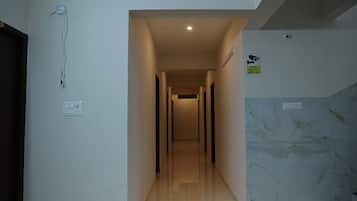
Amogha International Hotel1.1 km from Chitradurga Fort
PUNEET
NT$598
NT$627 total
includes taxes & fees
Oct 5 - Oct 6


3. Vishwas Comforts
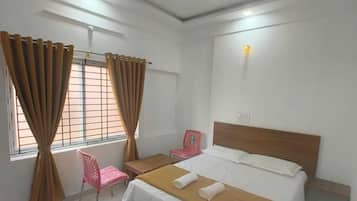
Vishwas Comforts2.7 km from Chitradurga Fort
NT$387
NT$406 total
includes taxes & fees
Oct 5 - Oct 6
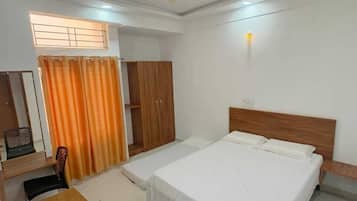

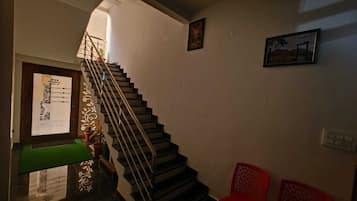
4. SPR COMFORTS
SPR COMFORTS2.2 km from Chitradurga Fort
NT$447
NT$469 total
includes taxes & fees
Oct 5 - Oct 6
Top Chitradurga Fort Hotel Reviews
Other attractions near Chitradurga Fort
Akka Honda
Commune with nature and explore the great outdoors at Akka Honda during your travels in Chitradurga. Amble around the area's gardens or visit its temples.
Gopalaswamy Honda
Commune with nature and explore the great outdoors at Gopalaswamy Honda during your travels in Chitradurga. Make time to visit the temples and monuments while you're in the area.
Jamia Masjid
After visiting Jamia Masjid, make a plan to see the other sights and activities in Chitradurga. Make time to visit the temples and monuments while you're in the area.
Chandravalli Archaeological Site
8.0/10 (1 review)
You can learn about the history of Chitradurga with a trip to Chandravalli Archaeological Site. Amble around the area's gardens or visit its temples.
Kallina Kote
8.0/10 (1 review)
Find out about the history of Hiriyur with a stop at Kallina Kote. Amble around the area's gardens or visit its temples.
Dasaratha Rameshwara
You can find out about the history of Hosdurga when you stop by Dasaratha Rameshwara.