跳到主要內容
規劃行程
規劃行程
規劃行程
飯店/住宿
飯店/住宿
機票
機票
租車
租車
機 + 酒
機 + 酒
當地玩樂
當地玩樂
優惠
團體和會議預訂
開啟 App
TWD
刊登旅宿
支援
行程
Communication Center icon
登入
會員登入可享全球超過 100,000 家飯店 10% 以上折扣
登入
深入了解 Expedia Rewards
意見反應
北美洲
梅肯歷史區
喬治亞
美國
北美洲
規劃您的行程
梅肯歷史區飯店
梅肯歷史區租車
梅肯歷史區假期
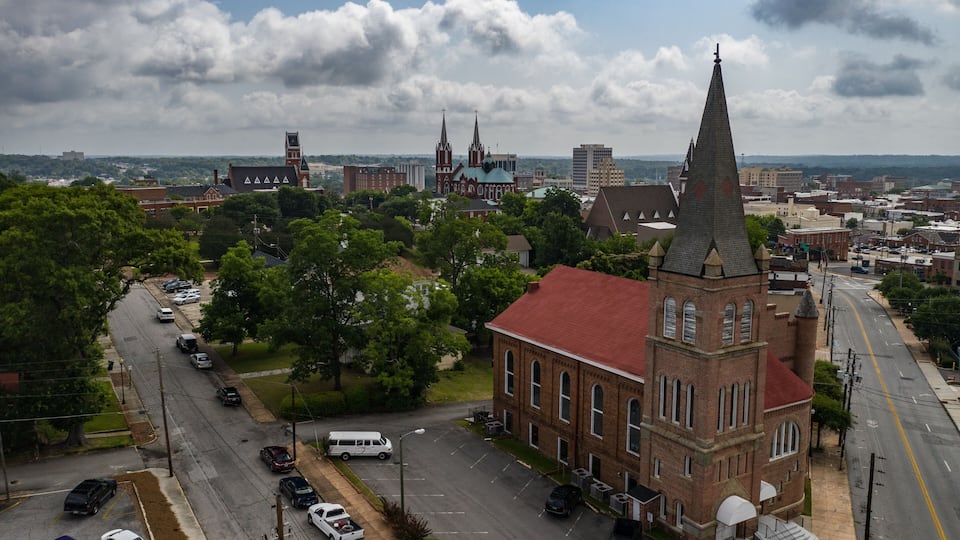
梅肯歷史區
梅崗
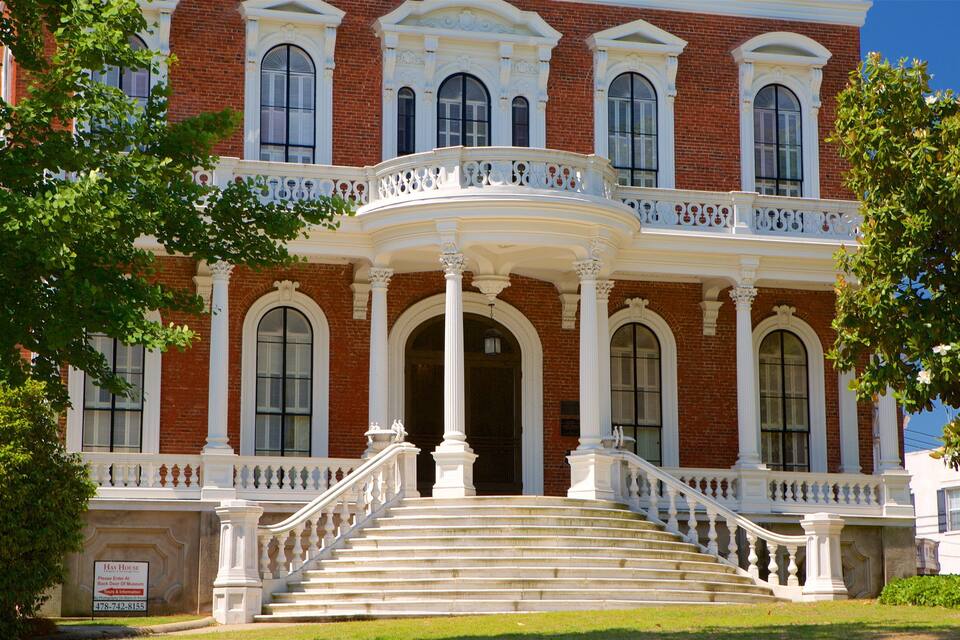
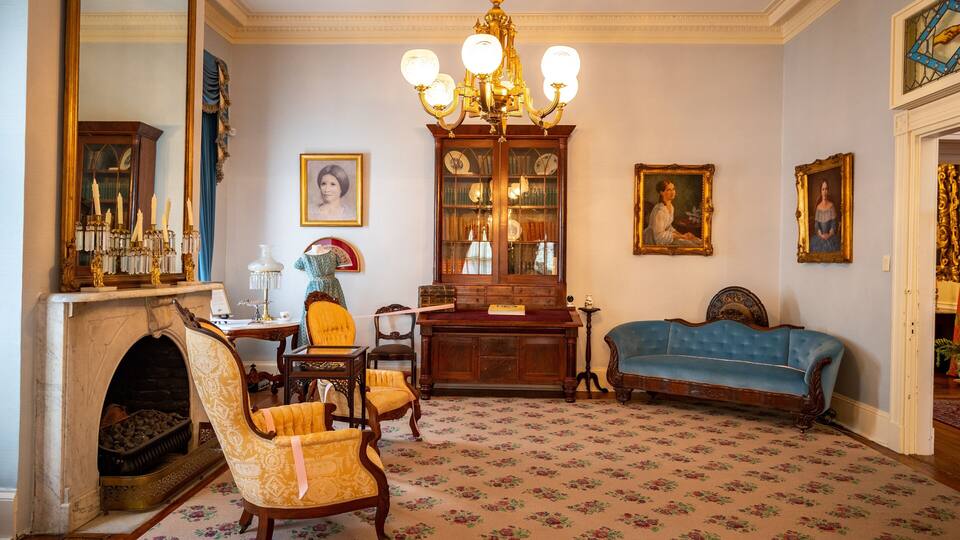
One of Georgia’s most distinguished structures, the Johnston-Felton-Hay House in Macon was declared a National Historic Landmark in 1974. It was built from 1855 to 1859 in the Italian Renaissance Revival style, a marked contrast to the more restrained Greek Revival architecture of the antebellum period. The 18,000-square-foot mansion spans four levels and is crowned by a three-story cupola. Commissioned by imaginative owners and constructed by the most skillful workers of the time, its technological amenities were unsurpassed in the mid-19th century: hot and cold running water, central heat, a speaker-tube system, in-house kitchen and an elaborate ventilation system. Only two families lived in Hay House over three generations. Most of the museum’s furnishings date from the Hay family’s occupancy (1926-1962). A few pieces are from the Johnston family (1860-1896), most notably the Eastlake-style dining room suite. The most important piece in the collection may be the 1857 marble statue, "Ruth Gleaning," by American expatriate sculptor Randolph Rogers. The Johnstons William Butler Johnston was no typical nineteenth-century Southerner. He obtained his substantial wealth through investments in banking, railroads and public utilities rather than from the agrarian cotton economy. In 1851, he married Anne Clark Tracy, 20 years his junior, and the two embarked on an extended honeymoon in Europe. During their trip, the Johnston's visited hundreds of museums, historic sites and art studios. They collected fine porcelains, sculptures and paintings as mementos of their Grand Tour. The Johnston's were inspired by the Italian architecture they observed and, upon their return to America, constructed a monumental Italian Renaissance Revival mansion in Macon. The Feltons Completed in 1859 and called the "Palace of the South," the residence was decorated and furnished in accordance with wealth and good taste. It became a beloved home for the Johnston's, their daughters and their extended family. After the death of Mrs. Johnston in 1896, daughter Mary Ellen and her husband William H. Felton lived in the house. They remodeled and redecorated parts of the house, updated the plumbing and added electricity. The Hays After the deaths of Judge and Ms. Felton in 1926, Felton heirs sold the house to Parks Lee Hay, founder of the Banker's Health & Life Insurance Company. The Hays substantially redecorated the house to reflect the changing character of twentieth-century living, and the house at 934 Georgia Avenue continued to be recognized as a local landmark for gracious living during the Hay ownership. After Mrs. Hay's death in 1962, her heirs established the P.L. Hay Foundation and operated the house as a private house museum. In 1977, ownership of the house was formally transferred to the Georgia Trust for Historic Preservation. The house has been operated by the Trust since that time and has been designated as a National Historic Landmark.
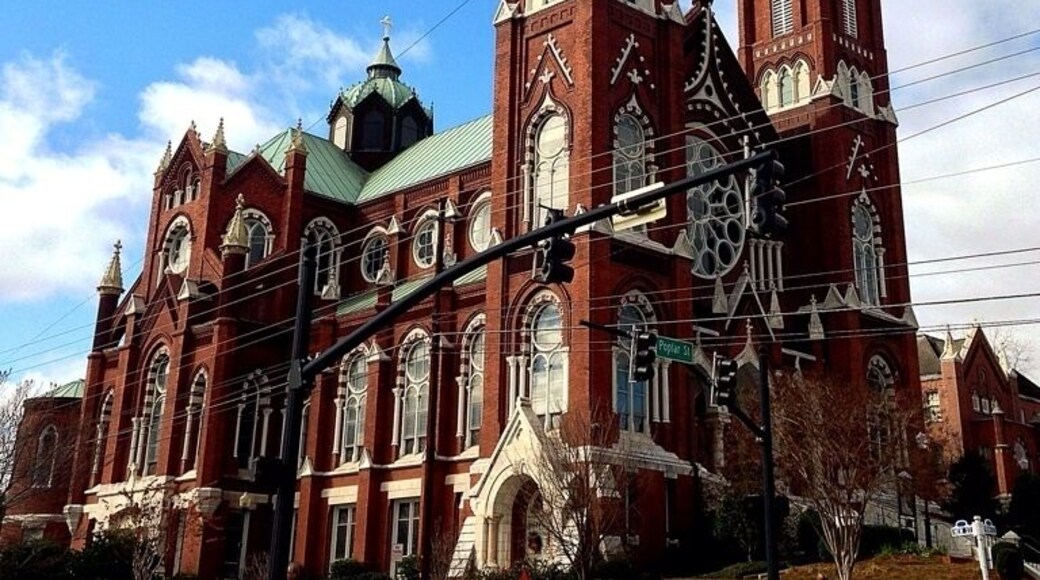
The history of Roman Catholicism in Macon dates to a visit in 1829 by Bishop John England of the Diocese of Charleston and the subsequent migration of Irish Catholic families in the 1830s. In 1841, Macon's Catholics received their first pastor, Father James Graham. A succession of buildings and sites was purchased and used by Macon's Catholics during the nineteenth century, until the construction of St. Joseph's Catholic Church at this location from 1889-1903. This Gothic Revival structure, designed by Brother Cornelius Otten, features a domed cupola, flying buttresses, stained-glass windows from Bavaria, and a high altar of Carrara marble.
Cannonball House
Cannonball House
25
查看所有相片 (25 張)
入住
結束日期
旅客
搜尋
用地圖搜尋
梅肯歷史區旅遊資訊