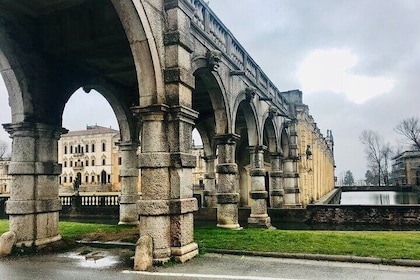
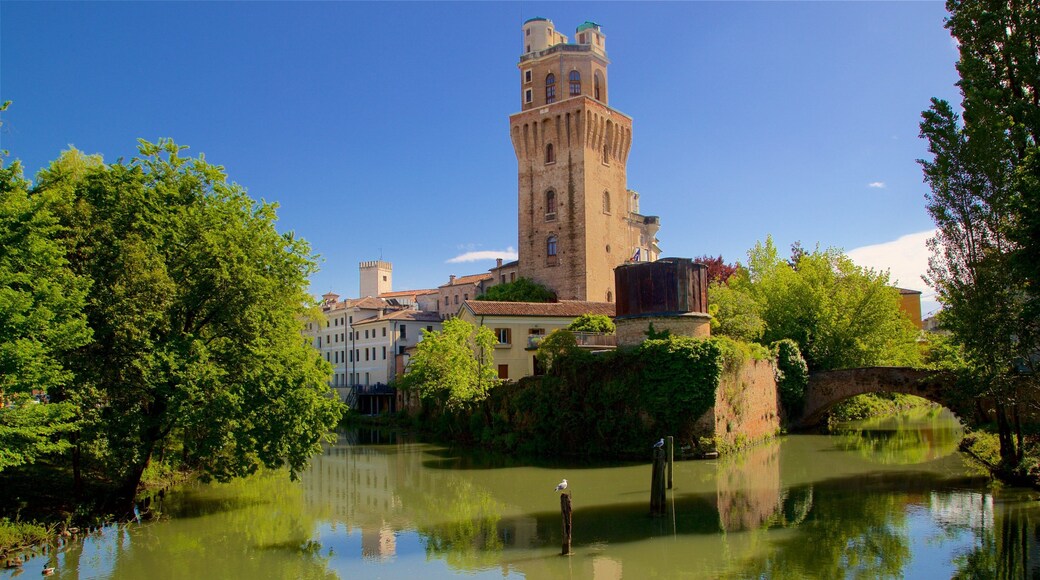
La Specola Astronomic Observatory brings together 250 years of astronomical discovery in Padova. Explore two museum halls that chronicle the history of astronomy in Padua and Europe from the 18th century onward. The observatory tower is a landmark in the skyline, marking Padovaās medieval city limits.
Enter the lower level of the observation tower to get an understanding of La Specolaās past. Browse the exhibits in the Meridian Hall and learn about the history of astronomy in the city. In 1761, Venetian governors announced that an astronomical observatory would be established in Padova in a bid to expand upon the ideas explored by Galileo 150 years earlier. The abbot and professor Toaldo and the architect Domenico Cerato created a remarkable observation tower, which extended from the highest tower of the old Castle of Padova. Watch a 1-hour lecture about the towerās fascinating history and learn about the significance of Galileoās discoveries, which were made more than a century before this tower was built.
Make your way up the 115-foot (35-meter) tower to reach the upper observatory and the Hall of Figures. Discover a superb collection of antique astronomical observation equipment, including English-made instruments from the 18th century, telescopes from Germany and Austria and meteorological equipment. Examine a collection of instruments devised by the astronomical observatoryās in-house technicians.
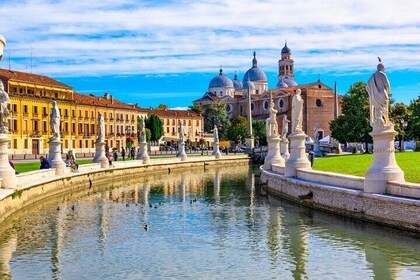
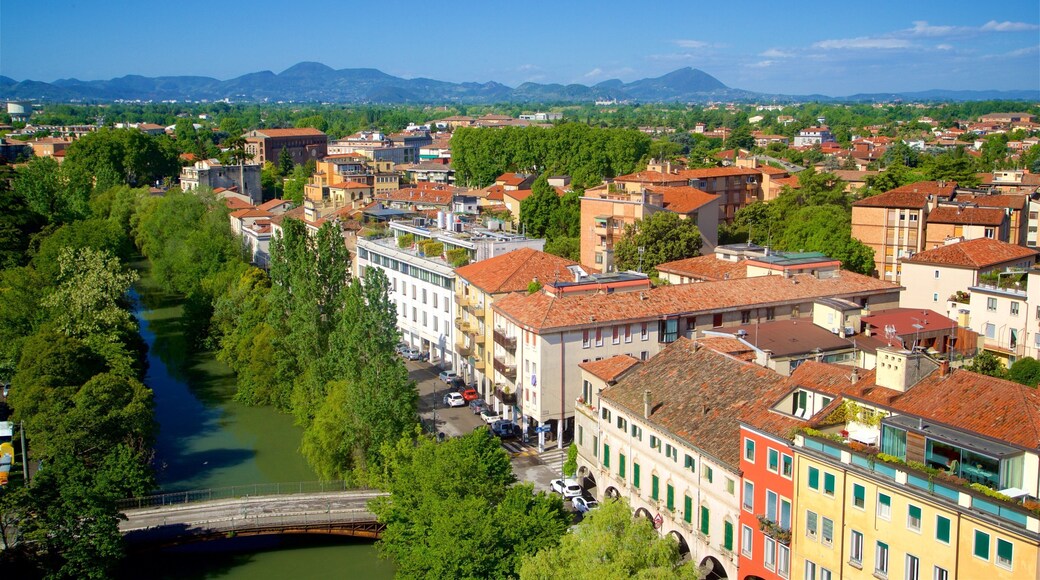
From the upper observatory, enjoy one of the cityās finest views. Look out across Padovaās historic center. Note the old city walls, basilica spires and monumental palazzos. Imagine how the area would have appeared to the cityās medieval rulers, who surveyed the city limits from the observatoryās original Torlonga (old tower).
La Specola Astronomic Observatory is located within the Castle of Padua complex, but can be accessed from the street. Reach the historic observatory by bus or make the 15-minute journey from the historic center on foot. There is an admission fee to enter the museum and observation tower. Discounts are available for students, seniors and children. The museum is open daily, except Mondays, the Christmas holiday period, January 1 and May 1.