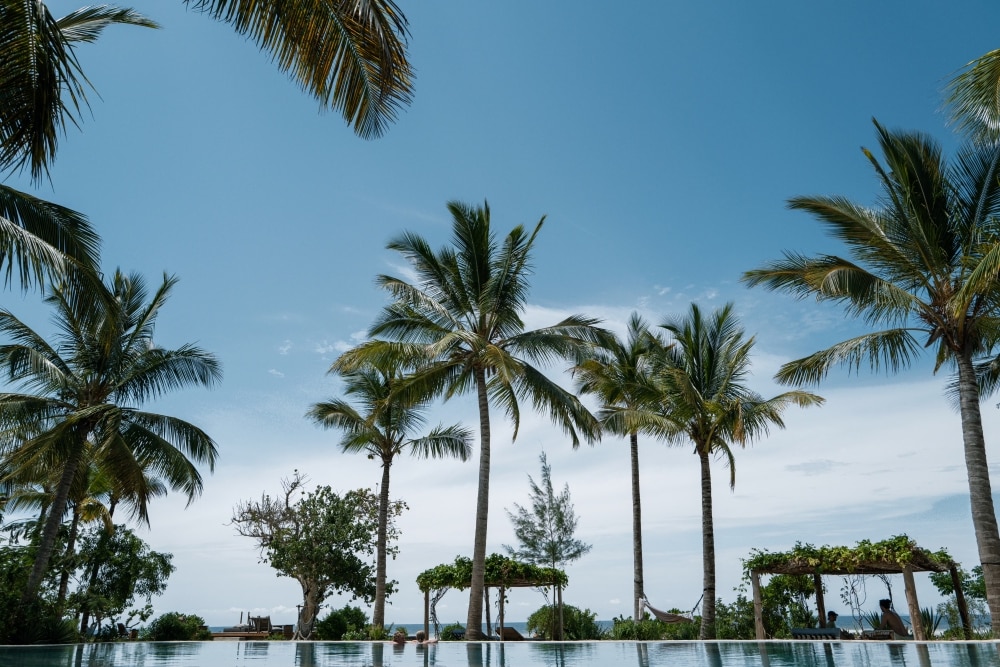

Ilha de Itamaraca
Travel Guide


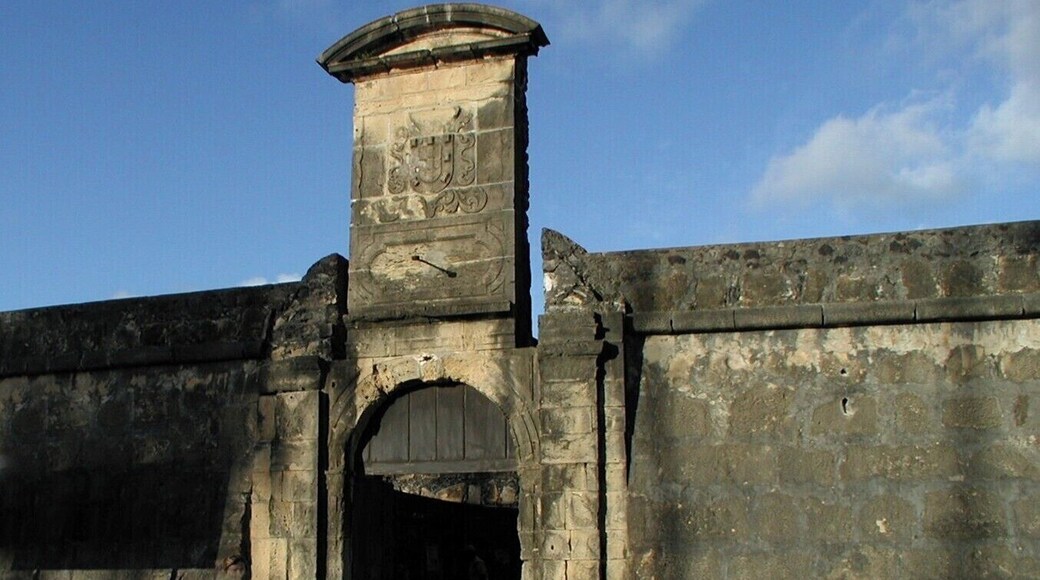
Visit Ilha de Itamaraca
Where to stay in Ilha de Itamaraca
Find the best Ilha de Itamaraca areas and neighborhoods for the activities you enjoy most. Learn more about Ilha de Itamaraca
Learn more about Ilha de Itamaraca
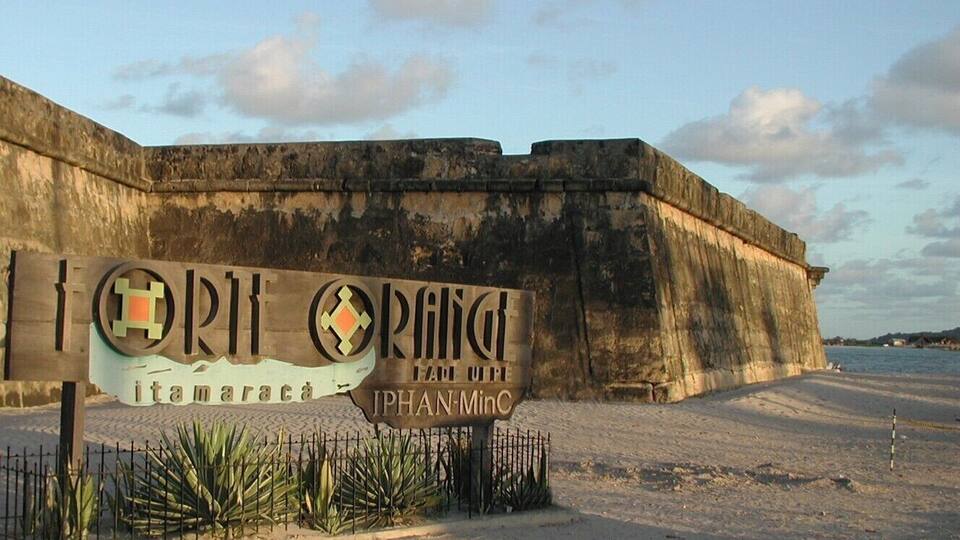
Photo by Sérgio Veludo
Open Photo by Sérgio Veludo
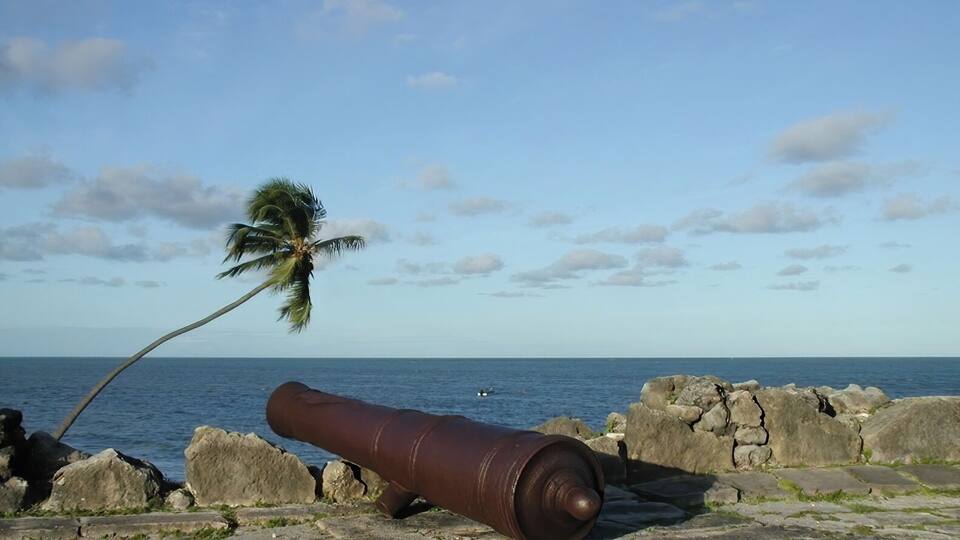

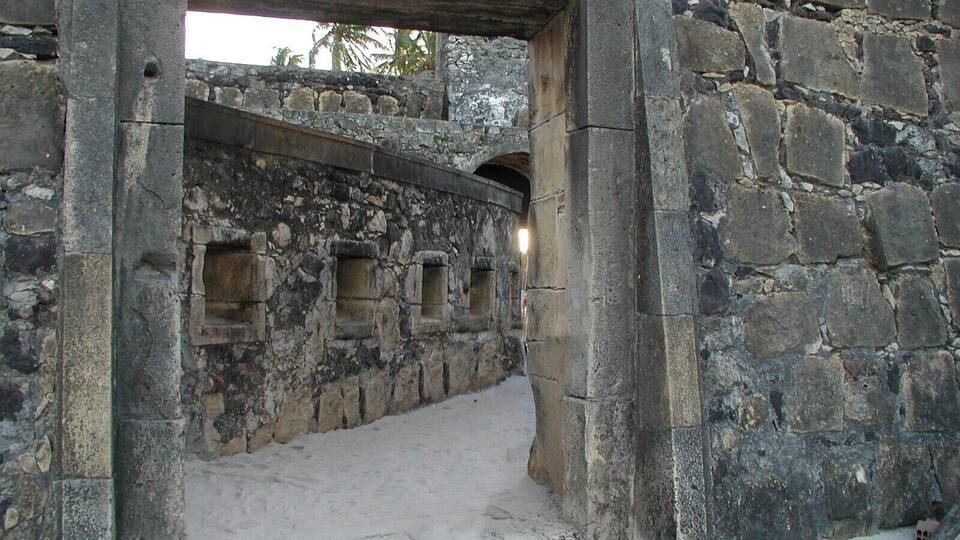

Pilar
If you're spending some time in Pilar, Fort Orange and Itamaraca Beach are top sights worth seeing.
Loteamento Enseada dos Golfinhos
Loteamento Enseada dos Golfinhos might not have many top sights, but Pontal da Ilha Beach and Itamaraca Beach are two attractions nearby that you can check out.
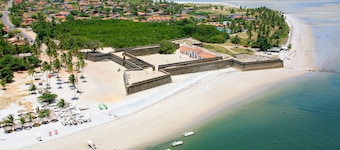
Orange Praia Hotel
Av.do Forte Orange, s/n Ilha de Itamaraca PE
The price is NT$2,762 per night from Oct 14 to Oct 15
NT$2,762
NT$2,900 total
Oct 14 - Oct 15
includes taxes & fees
Book a stay at this beach hotel in Ilha de Itamaraca. Enjoy free breakfast, free WiFi, and free parking. Our guests praise the helpful staff in our reviews. ...

VilaHotell Recife
Rua Henrique Dias, 70 Recife PE
The price is NT$1,545 per night from Oct 20 to Oct 21
NT$1,545
NT$1,622 total
Oct 20 - Oct 21
includes taxes & fees
Stay at this hotel in Recife. Enjoy free WiFi, breakfast (surcharge), and 24-hour room service. Our guests praise the helpful staff in our reviews. Popular attractions ...
8.4/10 Very Good! (1,025 reviews)
"The staff were not honest. I overheard being called a name by one of the staff members."
Reviewed on 2026/7/3

Novotel Recife Marina
Cais Santa Rita 46 Recife PE
The price is NT$4,462 per night from Nov 2 to Nov 3
NT$4,462
NT$4,551 total
Nov 2 - Nov 3
includes taxes & fees
Stay at this hotel in Recife. Enjoy free WiFi, a rooftop terrace, and breakfast (surcharge). Popular attractions Boa Viagem Beach and Sao Jose Market are located ...
9.4/10 Exceptional! (821 reviews)
"The difference for an executive room are: - coffee machine - one robe Unbelievable"
Reviewed on 2026/9/21
Lowest nightly price found within the past 24 hours based on a 1 night stay for 2 adults. Prices and availability subject to change. Additional terms may apply.

Haus Smart Living Recife
Rua Monte Castelo 277 Recife PE
Stay at this apartment in Recife. Enjoy free WiFi, free parking, and a fitness center. Popular attractions Boa Viagem Beach and Mau Mau Art Gallery are located ...
9.4/10 Exceptional! (158 reviews)
"Es un departamento ruidoso por su cercanía a calles muy transitadas. El ruido aturde de un lado al otro a toda hora. La cocina es patética. No está hecho para cocinar: unos pocos utensilios, ollas y sartenes para una comida básica. Pocos enchufes en la cocina. Cada vez que hay que usar un electrodoméstico ..."
Reviewed on 2026/9/24
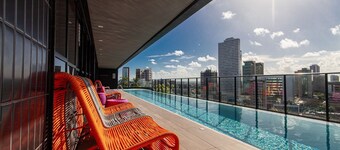
Condomínio TOLIVE One Housi by Carpediem
R. Gen. Joaquim Inácio 170 Recife PE
Book a stay at this business-friendly apartment in Recife. Enjoy free WiFi, a rooftop terrace, and a fitness center. Popular attractions Boa Viagem Beach and ...

Pousada sol e luar
R. Atum Recife PE
Stay at this vacation home in Recife. Enjoy free WiFi, a beach locale, and a 24-hour front desk. Popular attractions Boa Viagem Beach and Praia do Buraco da ...
6.6/10 (10 reviews)
"Banheiro nao tinha água,quarto cheirando a cigarro."
Reviewed on 2026/9/7
Lowest nightly price found within the past 24 hours based on a 1 night stay for 2 adults. Prices and availability subject to change. Additional terms may apply.
Check Ilha de Itamaraca hotel availability
Stay near popular Ilha de Itamaraca attractions
Explore a world of travel with Expedia
- Orobo Hotels
- Cabo de Santo Agostinho Hotels
- Pombos Hotels
- Vicencia Hotels
- Gay friendly Hotels in Porto de Galinhas
- Macaparana Hotels
- Camaragibe Hotels
- 3 Star Hotels in Porto de Galinhas
- Nazare da Mata Hotels
- Piedade Hotels
- Vitoria de Santo Antao Hotels
- Olinda Hotels
- Family Hotels in Porto de Galinhas
- Nossa Senhora do O Hotels
- Country Houses in Pernambuco
- All-Inclusive Hotel Hotels in Recife
- Boa Vista Hotels
- Salgadinho Hotels
- Porto de Galinhas Hotels