


Nikiski 4 Stars Hotels
 Change your mindBook hotels with free cancellation
 Be pickySearch almost a million properties worldwide
Check availability on Nikiski 4 Star Hotels
Our top choices for Nikiski 4-star hotels


8.6 out of 10, Excellent, (30 reviews)
"Nice quiet spot."

Sean
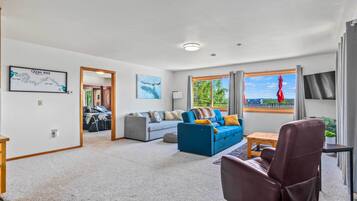

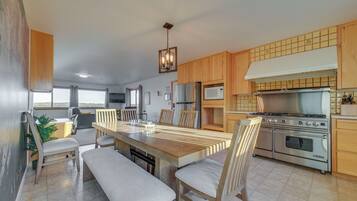

On-site Kenai River Fishing: Soldotna Apartment!
On-site Kenai River Fishing: Soldotna Apartment!Soldotna


River Views & Fire Pit: Cozy Soldotna Apartment!
River Views & Fire Pit: Cozy Soldotna Apartment!Soldotna

Save an average of 15% on thousands of hotels when you're signed in
Learn more about Nikiski
Explore secluded Nikiski: its canoeing, water park, camping, and more!
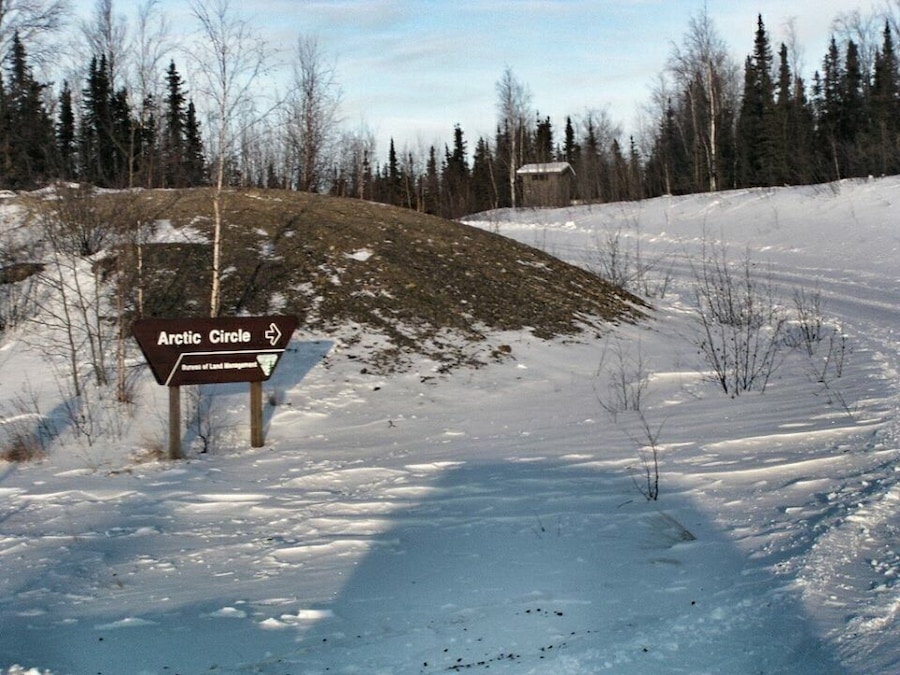
Photo by Sharrie Shaw
Open Photo by Sharrie Shaw
Top Nikiski Hotel Reviews

ALASKA LAKE and LODGE AT LONGMERE
10/10 Excellent
Frequently asked questions
Explore a world of travel with Expedia
- Cabin Rentals in Sterling
- 5 Star Hotels in Kasilof
- Hotels near Ted Stevens Anchorage Intl.
- Pet-Friendly Hotels in Soldotna
- Gay friendly Hotels in Soldotna
- Resorts & Hotels with Spas in Cooper Landing
- Gay friendly Hotels in Sand Lake
- 4 Star Hotels in Spenard
- Hotels near Russian River
- Nikiski Hotels
- Kenai Hotels
- Pet-Friendly Hotels in Ninilchik
- Hotels with Bars in Soldotna
- Hotels near Point Woronzof Park
- Hotels with smoking rooms in Soldotna
- Golf Hotels in Kenai Peninsula
- Cabin Rentals in Ninilchik
- Ninilchik Hotels
- Soldotna Hotels
- Flights from Luxembourg (LUX) to Anchorage (ANC)
- Flights from Washington (IAD) to Soldotna (SXQ)
- Flights from Perugia San Francesco d'Assisi – Umbria Intl. Airport (PEG) to Kenai (ENA)
- Flights from Louisville (SDF) to Kenai (ENA)
- Flights from Honolulu (HNL) to Anchorage (ANC)
- Flights from Salamatof
- Flights from Fak-Fak (FKQ) to Kenai (ENA)
- Flights from Redding (RDD) to Kenai (ENA)
- Flights to Kasilof
- Flights from Jacksonville (JAX) to Kenai (ENA)
- Flights from Belfast (BFS) to Kenai (ENA)
- Flights from Oslo (OSL) to Kenai (ENA)
- Flights from Oakland (OAK) to Kenai (ENA)
- Flights from Fayetteville (FAY) to Kenai (ENA)
- Flights from Helena (HLN) to Kenai (ENA)
- Flights from Wisconsin Rapids (ISW) to Kenai (ENA)
- Flights to Kenai Peninsula Borough
- Flights from Seward (SWD) to Anchorage (ANC)
- Flights from Saskatoon (YXE) to Kenai (ENA)
- Flights from Anchorage (ANC) to Kenai (ENA)
- Flights from Port Alsworth (PTA) to Soldotna (SXQ)
- Flights from Sacramento (SMF) to Soldotna (SXQ)
- Flights from Philadelphia (PHL) to Soldotna (SXQ)
- Flights from Morelia (MLM) to Anchorage (ANC)
- Flights from Taipei (TPE) to Anchorage (ANC)
- Flights from Koulamoutou (KOU) to Kenai (ENA)
- Flights from Tyonek
- Flights from Ilhéus Airport (IOS) to Kenai (ENA)
- Flights from Norman Wells (YVQ) to Anchorage (ANC)
- Flights from Tyonek
- Flights from Crotone (CRV) to Kenai (ENA)
- Flights from Cooper Landing
- Flights from Homer (HOM) to Kenai (ENA)
- Flights from Barrow (BRW) to Kenai (ENA)
- Flights to Ninilchik
- Flights from Norfolk (ORF) to Kenai (ENA)
- Flights from Fairbanks (FAI) to Kenai (ENA)
- Flights from Charlotte (CLT) to Kenai (ENA)
- Flights from Soldotna
- Flights from Blois (XBQ) to Kenai (ENA)
- Flights from Fort Lauderdale (FLL) to Kenai (ENA)
- Flights from Nairobi (NBO) to Kenai (ENA)
- Flights from Dallas (DAL) to Kenai (ENA)
- Flights from Orange County (SNA) to Kenai (ENA)
- Flights from Happy Valley
- Flights from Boston (BOS) to Kenai (ENA)
- Flights from Fort Leonard Wood (TBN) to Kenai (ENA)
- Flights from Kenai Municipal
- Flights from New Orleans (MSY) to Kenai (ENA)
- Flights from Willow (WOW) to Kenai (ENA)
- Flights from Puerto del Rosario (FUE) to Kenai (ENA)
- Flights from Horsham (HSM) to Kenai (ENA)
- Flights from Mountain Village (MOU) to Anchorage (ANC)
- Flights from Manakara (WVK) to Kenai (ENA)
- Flights from Portland (PDX) to Soldotna (SXQ)
- Flights from Wasilla (WWA) to Kenai (ENA)
- Flights from Bhamo (BMO) to Kenai (ENA)
- Flights from Banning (BNG) to Kenai (ENA)
- Challenger Learning Center
- Visit Kenai Peninsula
- Bings Landing
- Jewel Lake Park
- Soldotna Creek Park
- Nikiski Vacations
- Visit Kenai
- Phormation Chiropractic & Day Spa
- Kasilof Historical Regional Society
- Kenai Visitors and Cultural Center
- Clam Gulch Vacations
- Visit Sterling
- Visit Tyonek
- Kenai Beach
- Russian River
- Birch Ridge Golf Course
- Johnson Lake State Recreation Area
- Soldotna Vacations
- Kenai Peninsula College Fishing Academy
- Russian River Campground